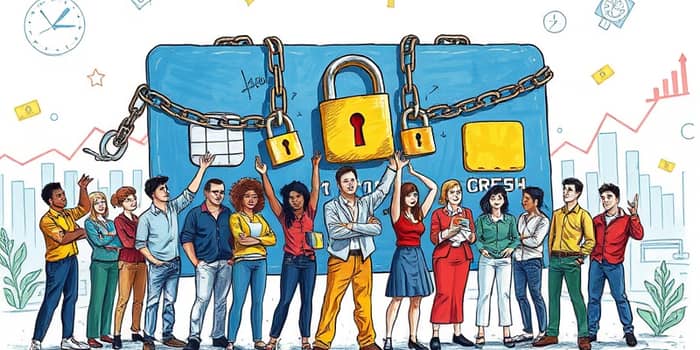
Predatory credit card practices have surged in recent years, ensnaring millions of consumers and draining their financial resources. Despite being marketed as a way to rebuild credit or bridge urgent expenses, these products often carry hidden fees and exorbitant annual charges that trap borrowers in cycles of debt. By understanding how predatory lending works, you can shield yourself from deceptive offers and maintain control over your financial future.
With credit card debt in the United States climbing past $1.2 trillion, and interest charges soaring by 50 percent in just two years, it is more important than ever to recognize the subtle tactics employed by unscrupulous lenders. This article will guide you through the warning signs, regulatory developments, and practical strategies you need to avoid falling into debt traps.
Many consumers feel powerless when faced with emergency expenses or poor credit histories. Predatory issuers exploit this vulnerability by promoting guaranteed approval and easy credit schemes that mask their true costs. Recognizing that these offers rely on urgency and limited disclosure is the first step toward protection.
Understanding Predatory Lending in Credit Cards
Predatory lending involves abusive or deceptive tactics used by lenders to impose unfair terms on vulnerable borrowers. In the realm of credit cards, this can manifest as products tailored for individuals with poor credit scores—often those who need help the most. These cards may promise “guaranteed approval” or credit-building benefits, but they come with sky-high APRs and hidden penalties that make repayment nearly impossible.
Common predatory elements include excessive setup fees, mandatory add-on services, and clauses designed to maximize lender profits at your expense. Practices like loan flipping and negative amortization cycles force consumers into repeated refinancings, each time paying significant fees without reducing principal balances.
Issuers often target minority populations, the elderly, and service members by using aggressive advertising and misleading mailers. By presenting these cards as solutions rather than traps, they exploit financial hardship for profit and leave borrowers with deteriorating credit and mounting debt.
Spotting Warning Signs and Tactics
Before accepting any credit card offer, look for these red flags and assess the true cost:
- High interest rates and excessive fees: APRs above 100 percent or recurring monthly maintenance charges.
- Deceptive marketing claims: “No credit check” or “instant approval” without transparent terms.
- Junk fees such as overdraft penalties, single-premium insurance, and mandatory arbitration clauses.
- Loan flipping—frequent refinancing that generates additional fees without lowering the principal.
- Prepayment penalties and balloon payments at maturity that increase your debt suddenly.
Negative amortization occurs when fees and interest exceed your monthly payment, causing balances to grow despite on-time payments. Balloon payments force lump-sum settlements at the end of a term, which many cannot afford, prompting further debt.
By scrutinizing promotional materials and demanding full disclosures, you can avoid deceptive credit card terms that often hide in plain sight.
Counting the Costs: Industry Trends and Statistics
The latest data highlights the alarming scope of predatory credit card lending. In 2024, Americans paid $160 billion in interest charges—a 50 percent increase since 2022. Fees reached $30 billion overall, including $17 billion in late penalties, up 13 percent over two years. Delinquencies over 90 days soared to 12.41 percent, a jump of 66 percent.
Rising healthcare costs and everyday expenses have driven consumers to rely on credit cards for necessities. Healthcare spending on cards jumped 50 percent between 2019 and 2024, reaching nearly $200 billion annually. Gambling debt also doubled, topping $2.7 billion in 2024 as consumers turned to high-fee cards to cover losses.
These figures reveal a system that profitably leverages consumer hardship, especially as inflation drives up costs for housing, groceries, and utilities.
Regulatory Landscape and Proposed Reforms
Regulators have begun to take notice of the predatory credit card market. The Consumer Financial Protection Bureau (CFPB) monitors abusive practices, yet recent rollbacks eliminated an $8 cap on late fees—a change estimated to cost families $220 each per year. Bills like the Predatory Lending Elimination Act aim to extend the 36 percent APR cap of the Military Lending Act to all consumers.
State-level initiatives illustrate the power of caps and restrictions. Illinois’s 36 percent interest rate cap enacted in 2021 saved consumers around $600 million in a single year and drove down bankruptcy filings. Conversely, states like Mississippi still allow APRs above 300 percent, leaving residents vulnerable until statutes expire or reform takes hold.
Critics of rate caps argue they reduce market access, push borrowers to payday loans with even higher effective rates, or prompt rent-a-bank schemes that bypass state laws. Balancing consumer protection with credit availability remains a contentious policy debate.
Protective Strategies to Avoid Credit Card Traps
You can guard against predatory lending with these practical steps:
- Shop around and compare the true cost of credit by evaluating APRs that include all fees.
- Choose issuers that perform rigorous credit checks and provide clear, written terms.
- Consider credit unions and community banks, which often offer lower rates and free counseling.
- Negotiate fee waivers or rate reductions based on your payment history.
- Monitor your credit report and set up alerts to detect unauthorized charges or sudden rate increases.
Regularly reviewing statements and questioning unexpected fees can prevent small charges from ballooning into unmanageable balances. Engaging in proactive communication with your issuer also signals responsible behavior that may earn you better terms over time.
Building Long-Term Financial Health
Developing sustainable financial habits is key to avoiding future debt traps. Establish an emergency fund covering three to six months of living expenses to reduce reliance on credit cards during crises. Adopt the debt snowball or avalanche method to pay down existing balances, focusing first on high-interest accounts.
Seek out nonprofit credit counseling services that offer free budgeting workshops and debt management plans. Educating yourself on credit utilization ratios, amortization schedules, and the impact of late payments empowers you to make informed decisions and confidently negotiate with lenders.
Conclusion
Predatory credit card practices prey on those who can least afford them, but knowledge is your strongest defense. Recognizing abusive tactics, staying abreast of regulatory changes, and adopting prudent financial habits will keep you a step ahead of lenders who seek profit at your expense.
By embracing transparent lending and responsible borrowing, you can break free from high-cost debt and build a secure financial future. Take control today—your financial well-being depends on informed choices and steadfast discipline.
References
- https://www.centrisfcu.org/blog/borrowing-and-credit/predatory_lending/
- https://protectborrowers.org/trumps-wall-street-watchdog-confirms-working-people-got-slammed-by-credit-card-interest-fees/
- https://en.wikipedia.org/wiki/Predatory_lending
- https://www.bankrate.com/credit-cards/advice/predatory-credit-cards/
- https://www.nclc.org/resources/predatory-installment-lending-in-the-states-2025/
- https://www.debt.org/credit/predatory-lending/
- https://woodstockinst.org/press-release/presidents-10-rate-cap-on-credit-cards-would-cause-chaos-but-theres-a-better-way-to-make-america-affordable/
- https://www.mecep.org/blog/predatory-lending-an-explainer/
- https://www.heygotrade.com/en/news/credit-card-rates-capped-at-10-the-us-economy-could-take-a-hit
- https://www.ascentra.org/financial-fitness/predatory-lending
- https://www.wbur.org/onpoint/2026/01/21/trump-cap-credit-card-interest-debt
- https://www.justice.gov/usao-edpa/divisions/civil-division/predatory-lending
- https://www.washingtonexaminer.com/restoring-america/4450660/credit-card-interest-rate-caps-cripple-american-small-businesses/