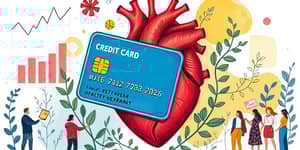
In late 2025, American households faced a sobering milestone: total credit card debt reached $1.277 trillion, the highest level since 1999. Balances spiked by $44 billion in a single quarter—a 5.5% year-over-year increase—and forecasts predict continued growth into 2026. As interest rates hover near 21%, many find themselves trapped in a cycle of mounting obligations and relentless minimum payments.
Yet amid these daunting figures, a path forward exists. By understanding the forces driving debt and adopting proven strategies, anyone can take control and set their finances on a trajectory toward freedom.
The Debt Dilemma
The credit card landscape has shifted dramatically over the past decade. After plunging post-2008 and again during the 2020 pandemic, balances rebounded sharply beginning in 2021. Today’s consumers carry more revolving debt than ever before.
Inflationary pressures, sustained by rising consumer prices, erode purchasing power, pushing households to rely on credit for daily expenses. Meanwhile, credit card issuers maintain high interest rates near 21%, compounding the burden of unpaid balances.
A closer look at state averages reveals stark disparities. Connecticut cardholders owe an average of $9,778, while residents of Mississippi average just $4,887—yet many states in between struggle to regain ground lost during economic downturns. Moreover, 61% of indebted consumers have carried their balances for more than a year, with 21% still owing after five years.
Why It Persists
Behavioral and structural factors conspire to keep debt levels elevated. Easy access to credit creates temptation; contactless payments and online checkouts mask the true cost of purchases. Without clear boundaries, overspending becomes routine.
Additionally, economic uncertainty—from job instability to medical emergencies—forces many to treat credit cards as safety nets. But when minimum payments merely cover interest, principal balances remain stubbornly high.
Finally, the psychological weight of debt can discourage proactive repayment. Feeling overwhelmed, some individuals delay action, inadvertently increasing their total interest charges and extending payoff timelines.
Proven Payoff Methods
Conquering credit card debt requires a structured approach. Two widely used strategies—the Debt Snowball and Debt Avalanche—offer distinct advantages. Below is a comparison to help you choose the best path.
Beyond these core plans, other options can accelerate progress:
- Balance Transfers: Move high-interest debt to a 0% APR card—watch fees and expiration dates closely.
- Debt Consolidation Loans: Combine balances into a single installment loan with a lower rate, simplifying payments.
- Automated Overpayments: Automate your debt repayment plan to ensure you always pay more than the minimum.
Daily Habits to Stay Debt-Free
Repayment plans deliver results only when supported by sustainable financial habits. Implement these practices to maintain control:
- Track Every Dollar: Use a simple budget to record income, expenses, and upcoming debts.
- Live Within Your Means: Live within your means daily by cutting nonessential subscriptions and dining out less.
- Use Cash or Debit: Reduce impulse purchases by leaving credit cards at home for discretionary spending.
Build an emergency fund to avoid turning to credit in a crisis. Even a small cushion of $500 to $1,000 can prevent setbacks and keep repayment momentum strong.
Next Steps on Your Debt-Free Journey
Once balances shrink, guard against future debt accumulation. Follow these final guidelines to solidify your progress:
- Create a long-term savings plan to cover planned expenses and reduce reliance on credit.
- Monitor your credit reports annually and dispute any errors that could hurt your score.
- Seek professional advice from a reputable credit counseling agency if you feel overwhelmed.
Credit card debt may feel like an insurmountable obstacle, but armed with data, discipline, and a clear roadmap, you can transform your financial story. Start today, and each payment will bring you one step closer to lasting freedom.
References
- https://www.lendingtree.com/credit-cards/study/credit-card-debt-statistics/
- https://www.umcu.org/learn/resources/blogs/how-to-pay-off-credit-card-debt
- https://www.marketplace.org/story/2026/01/13/more-americans-burdened-by-longterm-credit-card-debt-study-says
- https://www.experian.com/blogs/ask-experian/credit-education/how-to-pay-off-credit-card-debt/
- https://www.bairdwealth.com/insights/wealth-management-perspectives/2022/08/5-strategies-for-paying-off-credit-card-debt/
- https://newsroom.transunion.com/2026-consumer-credit-forecast/
- https://bettermoneyhabits.bankofamerica.com/en/debt/how-to-pay-off-credit-card-debt-fast
- https://www.newyorkfed.org/microeconomics/hhdc
- https://consumer.ftc.gov/articles/how-get-out-debt
- https://www.newyorkfed.org/newsevents/news/research/2026/20260210
- https://www.equifax.com/personal/education/debt-management/articles/-/learn/paying-off-debt-strategies/
- https://www.heygotrade.com/en/news/credit-card-rates-capped-at-10-the-us-economy-could-take-a-hit
- https://www.wellsfargo.com/goals-credit/smarter-credit/manage-your-debt/tips-for-managing-debt/
- https://www.navyfederal.org/makingcents/credit-debt/debt-repayment-strategies.html