Every significant event—whether a corporate summit, music festival, or community gathering—carries its own set of trials. Yet it is in the aftermath where true resilience is born. By embracing a systematic incident analysis approach and transforming lessons into planned improvements, organizations can evolve beyond mere reaction.
This article guides you through the journey of converting chaotic post-event responses into a refined cycle of risk management, boosting preparedness and stakeholder confidence.
Turning Challenges into Opportunities
At the heart of post-event risk management lies a powerful philosophy: view every crisis as a catalyst for growth. When an unexpected storm delays an outdoor ceremony, or a technical failure disrupts a keynote, these incidents become raw data for future success. By capturing insights swiftly, teams unlock actionable, future-focused insights that inform every subsequent plan.
Debriefs and surveys conducted within 24 hours are critical. They harness fresh perspectives from organizers, vendors, security personnel, and attendees while details remain vivid. This immediacy ensures that no nuance is lost, from response times to communication breakdowns.
Key Steps for Post-Event Risk Analysis
Transitioning from reaction to control requires a clear roadmap. Follow these structured phases:
- Immediate Debriefing and Feedback Collection: Host "hot wash" sessions with all stakeholders to pinpoint successes and failures.
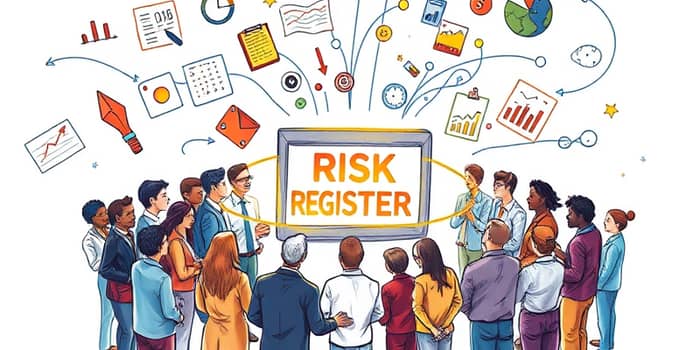
- Incident Documentation: Record every event—from a lost badge to a lightning delay—in a centralized risk register.
- Root Cause Analysis: Convene post-mortem meetings to dissect failures and uncover underlying gaps, whether procedural or communicative.
- Data Review and KPI Assessment: Analyze response times, number of incidents, and mitigation effectiveness to spot patterns.
- Integration and Future Planning: Update manuals, checklists, and policies to reflect lessons learned, closing the loop back into pre-event strategy.
Building a Robust Framework
To ensure consistency and clarity, embed essential components and tools into your process. The table below outlines core elements that underpin a mature post-event risk strategy.
This structure ensures that every insight—from minor hiccups to major crises—feeds directly into tangible improvements, creating an enduring cycle of progress.
Roles and Responsibilities
Clearly defined accountability prevents overlaps and ensures swift action. Key roles include:
- Risk Manager: Leads the entire post-event process, from data collection to analysis and reporting.
- Event Coordinator: Aligns findings with future event plans and operational checklists.
- Security Personnel: Reviews emergency response effectiveness and refines on-site protocols.
- Team and Stakeholders: Participate in debriefs, share observations, and implement agreed improvements.
- Leadership: Champions a culture of ongoing risk awareness and improvement.
Real-World Risks and Practical Mitigations
Drawing from diverse event contexts—outdoor festivals, corporate conferences, and community fairs—common incidents highlight where proactive adjustments yield the greatest return:
Power Outages: Frequent in large venues, these disruptions can derail sessions and endanger safety. Mitigation includes backup generators, regular wiring inspections, and on-call technical teams.
Weather Challenges: Outdoor gatherings face heat, rain, and wind. Employ real-time weather apps, designate shaded rest zones, and pre-plan evacuation routes.
Technical Failures: From sound systems to lighting rigs, equipment hiccups are inevitable. Maintain spares, conduct pre-event dry runs, and train technicians on rapid troubleshooting.
Security and Health Emergencies: Crowd control issues, medical incidents, or security threats demand clear protocols. Define emergency channels, station first-aid teams strategically, and conduct evacuation drills.
Continuous Improvement and Strategic Value
Post-event risk management is not a one-off project—it is the final phase in a closed-loop risk management circle that feeds directly into pre-event planning. By embedding these practices, organizations reap multiple benefits:
- Enhanced preparedness and reduced uncertainties for future events.
- Greater transparency, bolstering stakeholder trust and satisfaction.
- Accelerated decision-making fueled by historical data and trend analysis.
Regular audits, milestone check-ins, and a commitment to team-wide accountability ensure that insights drive real change. Leadership support cements a culture where every member understands the value of learning from the past.
Conclusion: Embrace Resilience
Transforming a crisis into control is a powerful journey. Through disciplined debriefs, comprehensive documentation, and a steadfast commitment to improvement, events evolve from unpredictable endeavors into well-honed experiences. Every lesson captured in your risk register, every revised checklist, and every empowered team member fortifies your organization’s resilience.
By viewing every post-event challenge as an opportunity for growth, you not only safeguard your next gathering but also cultivate a legacy of excellence and preparedness. Embrace this process, and witness how the echoes of past crises become the foundations of future triumphs.
References
- https://evm.institute/event-planning/post-event-risk-analysis-future-success/
- https://evm.institute/event-planning/effective-risk-management-policy-events/
- https://yourope.org/know-how/the-risk-management-circle-in-the-context-of-events-5-risk-monitoring-and-review/
- https://www.eventbrite.com/blog/event-risk-management/
- https://bizzdesign.com/blog/what-is-risk-management-process
- https://www.lloydsadd.com/insights/effective-risk-management-tips-for-outdoor-events/
- https://theeventscalendar.com/blog/event-risk-management/
- https://events.com/blog/event-risk-management/
- https://duuo.ca/blog/risk-management-101-venues/
- https://safetyculture.com/topics/event-management/event-risk-management
- https://gomomentus.com/blog/everything-you-need-to-know-about-event-risk-management
- https://www.marsh.com/en/services/risk-consulting/insights/event-risk-management.html
- https://www.millertanner.com/event-risk-management-planning/
- https://www.pmi.org/learning/library/risk-management-9096