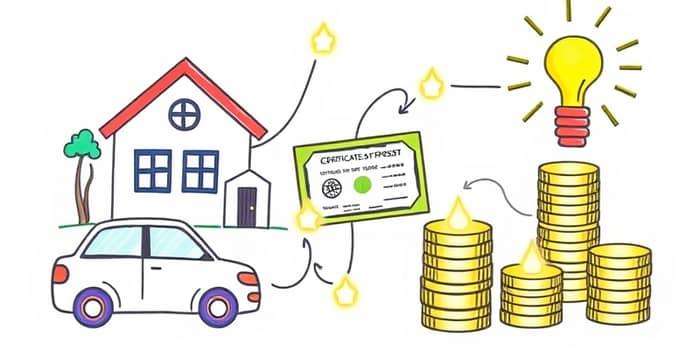
Secured loans empower borrowers to leverage valuable assets in exchange for credit, unlocking financial opportunities that might otherwise be out of reach. By pledging collateral, individuals can access larger sums at more favorable rates, making home purchases, vehicle financing, and business expansions more attainable. This handbook will guide you through every essential aspect—from understanding core mechanics to selecting the right product—so you can make wisely informed financial decisions and pursue your goals with confidence.
Understanding Secured Loans
At their core, secured loans are debt instruments backed by tangible collateral. Whether it’s real estate, automobiles, or savings accounts, the pledged asset reduces lender risk by providing a clear remedy in cases of default. Before disbursing funds, lenders place a lien on the collateral, retaining the right to seize and sell the asset if payments are not met. This mechanism allows borrowers to benefit from lower interest rates than average and higher approval odds, especially when credit histories are less than perfect.
Most secured products take the form of installment loans, featuring fixed monthly payments over terms ranging from a single year for personal loans to three decades for mortgages. While default carries significant consequences—such as foreclosure or repossession—it also opens doors for those with limited credit profiles to build or rebuild their borrowing history through consistent on-time payments.
Types of Secured Loans
Secured loans come in a variety of forms, each tailored to specific needs and asset classes. Understanding these categories helps you align your objectives with the most appropriate product.
- Mortgages and Home Equity: Finance or tap the value of real estate, often up to 80% of property worth.
- Auto and Vehicle Loans: Purchase cars, motorcycles, or recreational vehicles with the vehicle itself as collateral.
- Business Asset Financing: Fund operations or expansion by securing loans against inventory or equipment.
- Savings and Certificate Secured: Borrow against the balance of savings accounts or CDs, typically at low spreads over deposit rates.
- Secured Credit Cards: Establish or repair credit with a deposit-backed line of credit equal to your cash collateral.
Comparing Secured and Unsecured Loans
When choosing a credit solution, it’s vital to weigh the trade-offs between secured and unsecured options. Secured loans demand collateral but reward borrowers with cost savings and expanded borrowing capacity, while unsecured loans offer convenience at a premium cost.
Applying for a Secured Loan
The application journey for a secured loan typically involves several key stages. First, you must document ownership and value of the collateral—often through third-party appraisals or account statements. Lenders will verify your asset’s condition or balance before extending an offer.
Next, you’ll submit basic personal and financial information, including income verification and credit history. Thanks to the safety net of collateral, approval can be swift, with decisions rendered in days or even hours for online applications. Final steps include reviewing the loan agreement for fees, payment schedules, and prepayment policies before signing and receiving funds.
- Gather documentation for collateral valuation
- Review and compare APRs and term lengths
- Submit application online or in person
- Sign agreement and fund disbursement
Maximizing Benefits and Minimizing Risks
While secured loans offer compelling advantages, prudent borrowers should take measures to guard their assets and financial health. Always borrow within your ability to repay, ensuring monthly installments fit comfortably within your budget. Monitoring your loan’s amortization schedule can help you plan accelerated payments or lump-sum contributions when feasible.
- Compare total cost of credit, not just APR
- Avoid over-leveraging valuable assets
- Maintain insurance coverage on pledged property
- Consider prepayment to reduce overall interest
Real-World Examples and Current Rates
As of early 2026, competitive secured personal loan rates start near 3.50% APR for top-tier borrowers using savings or certificate collateral. Auto loans often range from 4% to 10%, depending on vehicle age and credit profile. Share-secured credit card products may charge as little as 5% above dividend rates, providing a low-risk path to credit building.
For illustrative purposes, a three-year, $10,000 secured personal loan at 6.50% APR entails monthly payments of approximately $304, compared to $331 at a 10.50% unsecured rate—resulting in savings of more than $900 over the term. Whether you’re consolidating debt, financing a major purchase, or tapping home equity, securing your loan against a stable asset can translate into tangible savings.
Conclusion
Secured loans stand as a versatile tool in any financial toolbox, offering lower costs, higher limits, and enhanced approval prospects for borrowers willing to pledge assets. By understanding the core mechanics, comparing product types, and applying with care, you can harness these instruments to advance personal goals and strengthen your credit profile. With informed planning and disciplined repayment, secured loans can become a catalyst for growth rather than a source of risk.
Empower your financial journey by evaluating collateral options, scrutinizing loan terms, and adopting proactive repayment strategies. In doing so, you’ll build a foundation of lasting financial resilience and transform secured lending into a stepping stone toward future success.
References
- https://www.bankrate.com/loans/personal-loans/what-is-a-secured-loan/
- https://www.fafcu.org/current-rates/secured-loan-rates
- https://en.wikipedia.org/wiki/Secured_loan
- https://www.nerdwallet.com/personal-loans/best/secured-personal-loans-lenders
- https://hfsfcu.org/education/what-is-a-secured-loan/
- https://www.firsttechfed.com/borrow/personal-loans/savings-secured-loan
- https://pilot.com/glossary/secured-loans
- https://raiz.us/personal/share-secured-loans/
- https://greenvillefcu.com/what-is-the-difference-between-secured-and-unsecured-debt/
- https://www.lendingtree.com/personal/best-lenders-for-secured-loans/
- https://www.truist.com/money-mindset/principles/outsmarting-debt/secured-vs-unsecured-loans
- https://www.bankrate.com/loans/personal-loans/rates/
- https://www.regions.com/insights/personal/article/secured-vs-unsecured-loans
- https://www.key.com/personal/loans-lines/personal-loans-lines.html
- https://www.experian.co.uk/consumer/loans/types/secured-loans.html