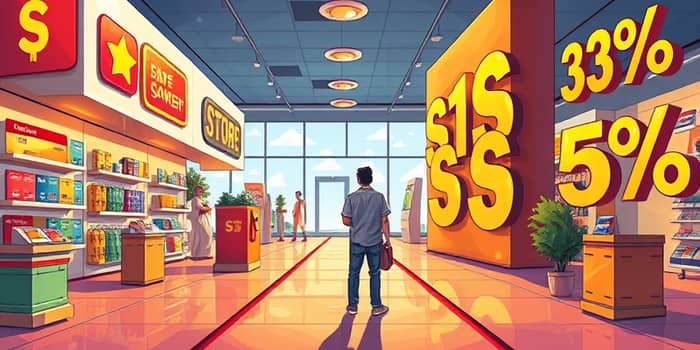
Every year, millions of consumers face the tempting offers of store credit cards. With alluring discounts, exclusive rewards, and promises of effortless credit building, the decision to apply can feel like a no-brainer. Yet behind the gleaming banners and early access perks lurks a reality that requires careful analysis.
In this comprehensive guide, we explore the full spectrum of advantages and drawbacks to help you decide if a store-branded line of credit is right for your financial journey.
Understanding Store Credit Cards
Store credit cards, sometimes called retail cards, are revolving lines of credit issued directly by a retailer or through a co-branded partnership with major payment networks. Unlike general-purpose cards that work everywhere Visa or Mastercard are accepted, most store cards are locked to a single retailer’s ecosystem and deliver specialized benefits in exchange for loyalty.
These cards aim to strengthen the bond between shoppers and brands. In return, retailers gain repeat business and valuable insights into spending patterns. When you swipe a store card, you often unlock tiered loyalty perks, instant discounts, and personalized promotions.
Major Advantages
For disciplined shoppers who pay balances promptly, store credit cards can represent a powerful tool to maximize value. Below are the primary benefits:
- Tiered reward systems unlocking growing perks: As your annual spending at a retailer climbs, you may qualify for higher reward rates, exclusive coupons, or free shipping thresholds.
- Immediate savings at checkout: Many cards offer a flat discount—usually 5% to 20%—on your first purchase when you sign up, followed by recurring sale-day bonus percentages.
- Unique promotional financing offers: Zero percent APR for six months or more, allowing interest-free installments—provided you pay off the balance before the promotion ends.
- Enhanced credit-building potential: Regular use and timely payments at a store card can contribute positively to your credit history and diversify your credit mix.
Imagine unlocking 5% back on every purchase at your favorite apparel brand, plus receiving early-access invitations to seasonal clearance events. For high-frequency shoppers, these benefits translate into sizable savings over time.
Moreover, some retailers allow you to convert accumulated points into cash or store credit, adding flexibility to how you redeem rewards.
Considerations and Disadvantages
No financial product is without risk. Store credit cards often carry significant pitfalls that can undermine the very savings they promise.
- Sky-high interest rates often exceeding 30%: If you carry a balance past the promotional period, sky-high APRs can generate substantial retroactive interest charges.
- Confined usability limited to one brand: Closed-loop cards only work in the issuing store’s channels, limiting your options if you diverge from that shopping pattern.
- Lower credit limits increasing utilization: Retailers frequently assign modest credit lines, making it easy to hit high utilization ratios that can harm your credit score.
- Multiple hard inquiries compound score impact: Every application triggers a hard pull, which can slightly lower your score for several months.
Worse still, the convenience of zero-interest financing can lull you into a false sense of security. Miss a single payment or fail to clear the balance before the offer ends, and all deferred interest is charged retroactively from the purchase date.
Store Cards Versus General-Purpose Cards
To choose wisely, compare the characteristics of store credit cards against versatile cards that work everywhere. The table below outlines key differences:
Alternative Solutions for Shrewd Shoppers
If a store card’s limitations outweigh its perks, consider these high-impact alternatives:
- General rewards credit cards with rotating or fixed category bonuses, offering cashback or points at multiple retailers.
- Secured credit cards backed by a refundable deposit, ideal for establishing or rebuilding credit history.
- Cashback and coupon apps like digital platforms that aggregate deals and track your savings across all your existing cards.
Building Your Personalized Strategy
Your best approach depends on how you shop and manage credit. Ask yourself:
How often do I shop at this retailer? If you visit monthly and spend enough to reach tiered reward thresholds, a store card may offer exclusive value that outweighs higher rates.
Can I pay off my balance in full each month? Only those with disciplined budgeting should carry any store card. The moment interest accrues, the cost savings evaporate.
Do I need greater flexibility? If you prefer rotating categories or want to spread spending across different merchants, a general-purpose card with no annual fee could outperform a retail-branded card.
Critical Tips for Responsible Use
To harness a store credit card’s advantages without falling prey to its risks, follow these guidelines:
Read fine print meticulously: Understand deferred interest clauses, late fees, and qualification requirements before applying.
Set up automatic payments: Ensure at least the minimum payment is made on time to protect your credit score and avoid penalty APRs.
Monitor utilization ratios: Keep balances below 30% of your credit limit. If you receive a low initial offer, request a credit limit increase after a few months of on-time payments.
Evaluate annual value: Quantify your expected savings by calculating average monthly spending times your reward rate, then subtract potential interest costs if balances ever carry over.
Conclusion and Next Steps
Store credit cards can be a double-edged sword. For loyal customers with disciplined payment habits and a thirst for exclusive perks, they unlock immediate savings and loyalty rewards that general cards cannot match.
However, the allure of 0% APR and sign-up discounts often masks steep interest rates, limited usability, and the temptation to overspend. Before applying, weigh your shopping patterns, credit management skills, and long-term financial goals.
Whether you choose a retailer’s branded card or a flexible general-purpose product, the key is to approach credit with clear-eyed strategy and informed intention. Empower yourself by conducting a thorough cost-benefit analysis, then transform credit from a potential liability into an asset that fuels your financial growth.
References
- https://navicoresolutions.org/resources/blog/understanding-the-appeal-and-risks-of-store-credit-cards
- https://www.experian.com/blogs/ask-experian/pros-and-cons-of-store-credit-cards/
- https://www.ffl.bank/resources/the-pros-and-cons-of-retail-credit/
- https://www.americanexpress.com/en-us/credit-cards/credit-intel/how-store-credit-cards-affect-your-credit-score/
- https://harvardfcu.org/blog/before-you-say-yes-pros-cons-of-store-credit-cards/
- https://www.bankrate.com/credit-cards/rewards/are-store-credit-cards-worth-it/
- https://www.mysccu.com/learn/avoid-the-retail-fail-5-store-credit-card-mistakes
- https://www.chase.com/personal/credit-cards/education/basics/understanding-store-credit-cards-and-how-they-work
- https://americhoice.org/blog/pros-cons-store-credit-cards-wallet
- https://diamondcu.org/blog/department-store-credit-cards/
- https://www.businessinsider.com/personal-finance/credit-cards/store-credit-cards-drawbacks
- https://www.myfico.com/credit-education/blog/pros-cons-retail-cards
- https://www.mycvcu.org/news/should-you-get-a-store-credit-card
- https://www.navyfederal.org/makingcents/credit-debt/should-you-get-a-store-credit-card.html
- https://thepointsguy.com/credit-cards/steer-clear-store-credit-cards/