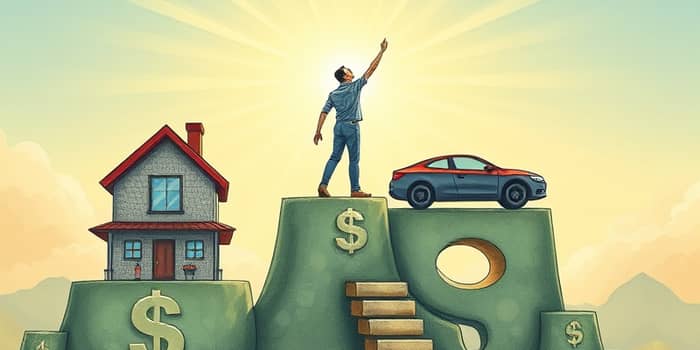
Secured loans offer a powerful way to tap into the value of your assets to achieve financial goals. By pledging collateral—be it a home, vehicle, or investment—you can often access lower rates and larger amounts than with unsecured debts. However, with opportunity comes responsibility. Understanding the process, benefits, and risks ensures you harness this tool wisely.
What Is a Secured Loan?
A secured loan is a debt instrument backed by an asset that the lender can claim if you default. This arrangement reduces their risk significantly and often translates into favorable terms. Whether financing a home purchase through a mortgage or obtaining a secured line of credit using business inventory, the underlying principle remains the same: collateral equals security.
When you apply, the lender assesses both your credit profile and the collateral’s value. This dual evaluation can open doors for borrowers with lower credit scores or limited credit history, since the asset provides additional assurance of repayment.
Key Characteristics of Secured Loans
Secured loans come with unique features that distinguish them from unsecured options. First, collateral requirements vary by loan type:
- Mortgages use real estate as security, enabling long-term financing.
- Auto loans secure the vehicle being purchased.
- Home equity lines of credit leverage existing equity for flexible access.
- Business loans often rely on equipment, inventory, or accounts receivable.
Interest rates on secured loans are generally lower, reflecting the lender’s comfort that collateral cushions potential losses. Repayment terms can span from a few years for personal secured loans to several decades for mortgages, allowing you to choose a schedule that aligns with your budget.
Types of Secured Loans
This table illustrates common secured products and how collateral aligns with purpose. By matching asset type to financing need, borrowers can often negotiate better terms.
Advantages of Secured Loans
- Lower interest rates, often significantly below unsecured options.
- Access larger borrowing limits to fund major projects or purchases.
- Longer repayment periods, reducing monthly outlay.
- Greater qualification success, even with imperfect credit.
- Faster approval processes for well-documented collateral.
These benefits make secured loans a compelling choice for individuals and businesses looking to fund homes, vehicles, or growth initiatives while accessing larger borrowing limits and preserving cash flow.
Potential Risks and Pitfalls
Despite clear advantages, secured loans carry inherent risks. The most significant is risk of asset forfeiture: failure to meet payments can lead to repossession or foreclosure. This loss not only damages your credit but also deprives you of essential assets.
Other considerations include:
- Fixed collateral commitment—your asset remains tied to the loan until repayment.
- Potential fees for appraisal, registration, and insurance requirements.
Successful borrowers approach secured debt with caution, weighing both benefits and risks and ensuring they have a reliable repayment plan in place.
Strategies for Maximizing Benefits
- Maintain strong asset insurance to protect against unexpected loss.
- Shop multiple lenders to secure the most competitive rate.
- Choose a repayment term that balances monthly affordability with total interest costs.
- Monitor market values of collateral; rising values may allow refinancing at better terms.
- Make extra payments when possible to reduce principal and finish sooner.
By adopting these tactics, you can manage your assets wisely and turn secured debt into a tool for growth rather than a burden.
Conclusion: Empowering Your Financial Journey
Secured loans, when used responsibly, provide a bridge between your current resources and future aspirations. They enable you to leverage tangible assets to build wealth, start or expand a business, or achieve life milestones.
Before committing, perform a thorough cost-benefit analysis, ensure you have contingency plans, and seek expert advice if needed. With thoughtful planning and disciplined repayment, secured debt can become the foundation upon which you build your financial future and achieve lasting success.
References
- https://www.bdc.ca/en/articles-tools/entrepreneur-toolkit/templates-business-guides/glossary/secured-loan
- https://www.bankrate.com/loans/personal-loans/what-is-a-secured-loan/
- https://www.equifax.com/personal/education/personal-finance/articles/-/learn/what-is-a-secured-loan/
- https://www.bmo.com/en-us/articles/lending/secured-vs-unsecured-loans/
- https://en.wikipedia.org/wiki/Secured_loan
- https://www.spergel.ca/learning-centre/secured-vs-unsecured-loan/
- https://harrisandpartnersinc.com/blog/what-is-secured-debt/
- https://www.cibc.com/en/personal-banking/loans-and-lines-of-credit/articles-resources/unsecured-secured-loans.html