


Picture the moment the wildfire-season haze rolls in, or the first warm week when pollen coats the car, or a cat that has decided your sofa is now hers. That is when a purifier stops being a gadget on a shelf and starts earning its keep. The trick is buying one that matches the room it sits in, runs quietly enough that you do not switch it off at night, and does not quietly bleed you on replacement filters. Get those three right and the rest is noise, literally. It is the lens TrueAction brings to the whole category, which is why this ranking leads with the filter bill instead of the airflow chart.
Three numbers decide a purifier, and the marketing leans on the wrong one. First, CADR against your room: the clean-air delivery rate should be at least two thirds of your room's square footage so the air turns over four to five times an hour, the rate that matters for allergies and smoke. Second, true HEPA, not HEPA-type or HEPA-like, paired with real activated carbon for smoke and odor. Third, the filter bill, because a cheap unit with pricey proprietary filters often costs more over three years than a dearer one. We then weighed noise on the speed you would actually run. Picks below are grouped by room size and sorted within each tier by clean-air rate.
What the spec sheet is hiding
Coverage claims are where the optimism lives. A box that says it covers 1,560 square feet usually means once an hour, which is far too slow for allergies or smoke. The honest figure is the area at four to five air changes an hour, and that is typically less than half the headline number. So treat the big coverage figure as a ceiling, not a target, and size by CADR instead: take your room's square footage and look for a smoke CADR at or above two thirds of it. A 300-square-foot living room wants a smoke CADR around 200 or higher.
- True HEPA is the floor, not a feature. It captures 99.97 percent of particles at 0.3 microns, the standard for pollen, dust, dander, and smoke particulate. Wording like HEPA-type is a downgrade, so read the label.
- Carbon weight decides odor and smoke gases. HEPA traps smoke particles but not the gases and smell; that needs activated carbon, and more grams of it work better and last longer. Thin carbon mesh fades fast.
- The filter bill is the real price. Plan on roughly $50 to $130 a year depending on the model. A washable pre-filter and washable carbon stage cut that; proprietary all-in-one filters raise it.
- Noise is a usage tax. A purifier you turn down to stay sane is cleaning at a fraction of its rated speed. Check the decibel figure at medium, not just the whisper-quiet sleep number.
Large living rooms and open plans
These are the high clean-air-rate machines for the room where everyone gathers, the one with the most air to move and usually the most pet hair and cooking smell to deal with. The two below lead the field on raw smoke CADR in 2026, which is also what you want when outdoor air turns bad.
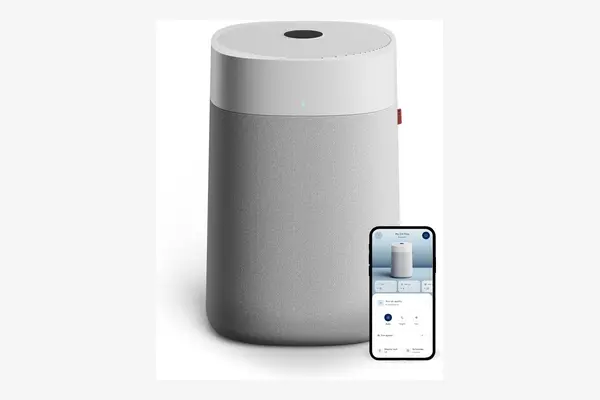
Blueair Blue Pure 211i Max
around 330 to 380 dollars as of April 2026
This is the highest clean-air rate on the list and the easiest to live with, which is a rare combination. Independent listings put its smoke CADR around 435, enough to turn over a roughly 540-square-foot room four to five times an hour, and it stays QuietMark-quiet doing it, roughly 23 dB on low and no louder than about 53 dB flat out. The catch is the running cost: the combined HEPASilent filter lasts six to nine months and is the dearest part of ownership here, so budget for it. A washable pre-fabric sleeve helps the main filter last.
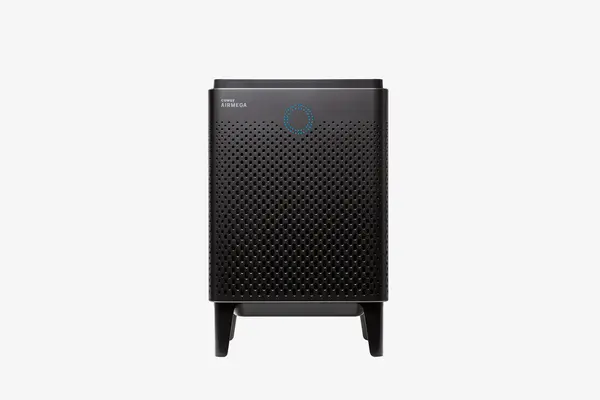
Coway Airmega 400
around 400 to 450 dollars as of April 2026
The 400 has been a large-room favorite for years and the reason is the filter math. Its smoke CADR sits around 328 with real-world tests a touch higher, it is rated for serious square footage, and the dual-intake design pulls air from both sides. The standout is cost to run: the Max2 filter set is a yearly swap and stays under roughly $90 a year, low for this size class, helped by a washable pre-filter. It is the quieter, cheaper-to-feed alternative to the Blueair if your room is large but not enormous. The tradeoff is a larger footprint and a higher buy-in than the value tier.
The value middle: most homes buy here
Most people do not have an open-plan great room; they have a bedroom or a medium living room and a sensible budget. This tier is where the smart money goes, and it is also where you find the strongest picks for smoke and for pet households without overpaying.
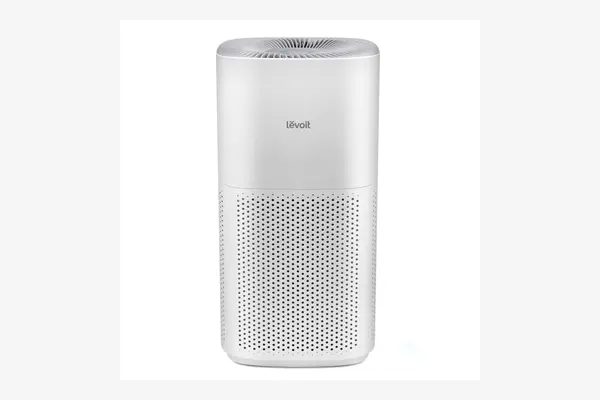
Levoit Core 600S
around 250 to 300 dollars as of April 2026
For dander and litter-box odor in a medium-to-large room, this is the most clean-air rate per dollar here. Smoke CADR lands around 377, it has a PM2.5 sensor with auto mode and app control, and a pet-specific filter option targets hair and odor. The honest tradeoff is the filter: the cylindrical 3-in-1 unit runs roughly $60 to $80 and wants replacing every six to eight months, so factor in something like $90 to $120 a year, the highest in this tier. If you have pets and a real room to clean, the upfront value still wins.
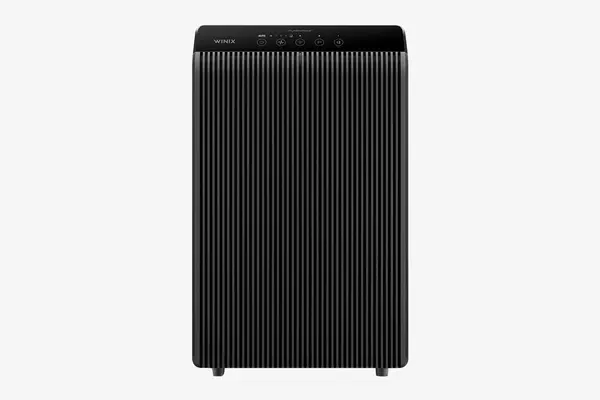
Winix 5510
around 180 to 220 dollars as of April 2026
Winix discontinued the well-loved 5500-2 in 2025, and the 5510 is the direct replacement: a four-stage system with true HEPA, an activated carbon stage, and a PlasmaWave ionizer you can switch off. Smoke CADR sits around 250, good for a medium room of roughly 390 square feet, and it adds app control the old model lacked. Two honest catches: it runs louder than its predecessor, up toward 67 dB on turbo, and the carbon filter is no longer washable, so OEM filters cost roughly $80 a year. For wildfire-prone homes wanting strong smoke performance cheap, it is still the budget answer.
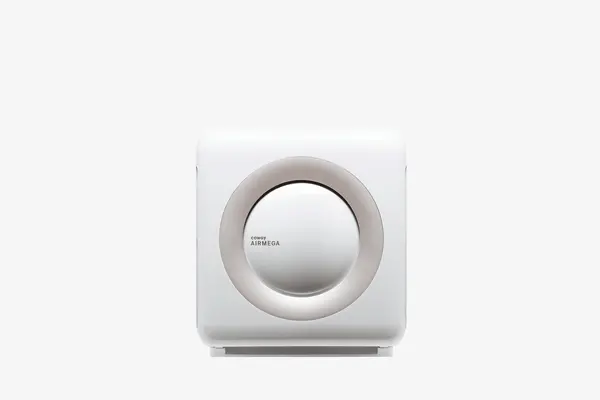
Coway Airmega AP-1512HH Mighty
around 180 to 230 dollars as of April 2026
The Mighty (also sold as the 200M) is the long-running default recommendation, and it earns it on running cost more than raw power. Smoke CADR is around 233, suited to a room near 360 square feet, with true HEPA, a deodorizing carbon stage, and a washable pre-filter. The reason it stays on every list is the filter bill: roughly $36 a year is among the lowest you will find, because the pre-filter washes and the HEPA only needs yearly replacement. The tradeoff is that it is not a large-room machine, so do not stretch it past a medium living room or bedroom.
Size by clean-air rate, not by the coverage number on the box. The headline square footage is usually a once-an-hour figure, and your lungs want four to five.
Bedrooms and small rooms
For a bedroom, a nursery, or a home office, the large machines are overkill and their noise is a liability. Here you want enough clean-air rate for a small room, a genuinely quiet sleep mode, and a low filter bill, because this is often a second or third unit.
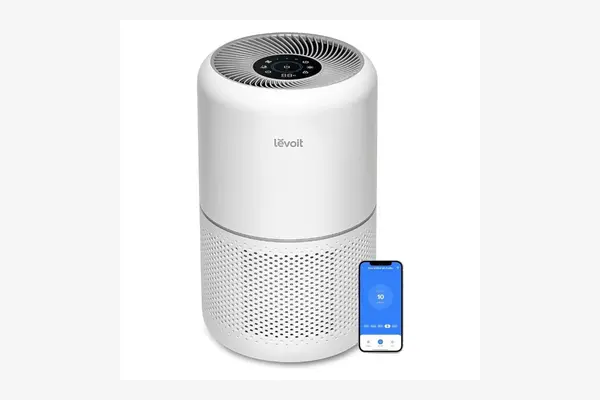
Levoit Core 300S
around 80 to 110 dollars as of April 2026
For a room up to roughly 220 square feet at proper air-change rates, this is the easy pick and the quietest thing here, dropping to about 22 dB on sleep mode so it disappears in a bedroom. It uses a true HEPA 3-in-1 filter, adds a PM2.5 sensor with auto mode and app control, and the replacement filter is cheap at around $30 to $50 and lasts six to eight months. The honest limit is range: push it into a real living room and the air-change rate falls off, so keep it in the small spaces it is built for and it is hard to beat on value.
The picks side by side
| Model | Smoke CADR | Best room size | Noise | Filter cost/yr | Street price |
|---|---|---|---|---|---|
| Blueair Blue Pure 211i Max | ~435 | ~540 sq ft | 23-53 dB | $100-130 | ~$330-380 |
| Coway Airmega 400 | ~328 | Large room | 22-52 dB | <$90 | ~$400-450 |
| Levoit Core 600S | ~377 | ~450 sq ft | 26-55 dB | $90-120 | ~$250-300 |
| Winix 5510 | ~250 | ~390 sq ft | 35-67 dB | ~$80 | ~$180-220 |
| Coway AP-1512HH Mighty | ~233 | ~360 sq ft | 24-53 dB | ~$36 | ~$180-230 |
| Levoit Core 300S | ~141 (dust) | ~220 sq ft | 22-50 dB | $30-50 | ~$80-110 |
Frequently asked questions
Match the clean-air rate to your room, not the coverage number on the box. The rule of thumb is a smoke CADR at least two thirds of your room's square footage, which gives you four to five air changes an hour, the rate that clears allergens and smoke. So a 300-square-foot room wants a smoke CADR around 200 or more. The big coverage figures on packaging usually assume one air change an hour, which is far too slow for allergies, so treat that number as a ceiling and size by CADR instead.
For allergies, smoke, and pet dander, hold out for true HEPA. It is a defined standard, capturing 99.97 percent of particles at 0.3 microns, which covers pollen, dust, dander, and the fine particulate in smoke. Wording like HEPA-type, HEPA-like, or 99 percent at a larger micron size is a quieter filter that lets more through. For smoke specifically you also want a real activated carbon stage, because HEPA traps the smoke particles but not the gases and smell, and more carbon by weight works better and lasts longer.
This is the real cost of ownership and it varies more than the sticker price. Plan on roughly $50 to $130 a year for most models. The cheapest to feed on this list is the Coway Mighty at around $36 a year, helped by a washable pre-filter and a HEPA that only needs yearly replacement. The Levoit Core 600S is the priciest here at roughly $90 to $120, because its 3-in-1 filter is dearer and wants changing every six to eight months. A washable pre-filter and washable carbon stage lower the bill; proprietary all-in-one filters raise it, so add it up over three years before you buy.
Yes, a well-sized one helps a lot, as long as it has both true HEPA and substantial activated carbon. HEPA captures the fine smoke particulate, which is the part that harms your lungs, while the carbon handles the gases and the smell that HEPA passes straight through. Size up for smoke: run it on a higher speed and pick a model whose smoke CADR is comfortably above two thirds of your room. The Winix 5510 is the budget smoke answer here, and the large-room Blueair and Coway 400 clear it fastest. Keep windows shut and run the unit continuously during a smoke event.
There is no single winner because the right purifier is the one sized to your room and your budget. For a large living room or open plan, the Blueair Blue Pure 211i Max moves the most clean air and stays quiet, with the Coway Airmega 400 the cheaper-to-run alternative if your room is large but not huge. For a pet household, the Levoit Core 600S gives the most clean-air rate per dollar, just plan for its higher filter bill. For wildfire smoke on a budget, the Winix 5510 is the value smoke machine. For lowest running cost, the Coway Mighty at roughly $36 a year is the set-and-forget pick for a medium room. For a bedroom or office, the Levoit Core 300S is the quiet, cheap-to-feed default. Buy for the room you have, then look at the three-year filter bill, and the choice usually makes itself.