


A smartwatch is the rare gadget where the brand decision is made for you before you read a single review. Apple Watch only pairs with an iPhone, and the Galaxy and Pixel watches only deliver their full feature set on Android, with the deepest hooks reserved for Samsung and Pixel phones. So the honest question is not which watch is best in the abstract, it is what your money buys inside the ecosystem you are already locked into: a flagship health sensor stack, two weeks of battery instead of one day, a real GPS for trail running, or just the cheapest entry that still tracks sleep and takes calls. The seven below are grouped by who should buy them, with the genuine strength and the genuine catch on each.
Match the watch to who you are. If you own an iPhone, the Apple Watch Series 11 is the default at around 399 dollars, the Apple Watch SE 3 is the budget pick at 249, and the Apple Watch Ultra 3 is for divers, hikers, and anyone who wants 42 hours of battery. If you own an Android phone, the Galaxy Watch 8 is the all-rounder, the Galaxy Watch 8 Classic adds the rotating bezel, and the Pixel Watch 4 is the pick for Fitbit health tracking and a repairable design. If you are a runner or hate charging, the Garmin Venu 3 runs for up to two weeks on either platform. Entry starts at 249 dollars; the jump to roughly 400 buys better sensors and battery, not a different category of device.
How we ranked, and why your phone decides
The ranking weighs four things and sorts by buyer, not a single number: which phone the watch pairs with, rated battery life, the depth of the health and GPS sensor stack, and what the price gets you against rivals in the same ecosystem. Those reads come from each maker's published specs, Apple's own newsroom for medical features, and independent measurement from RTINGS, Tom's Guide, and reviewers, rather than a showroom demo. Marketing battery figures in particular sit at the optimistic end, and always-on display plus daily GPS pull them down hard in real use. TrueAction reads the marketing figure as a ceiling, then ranks on what the watch does on a normal day.
Platform lock is the spec people underestimate, and it is non-negotiable. The Apple Watch pairs only with an iPhone, with no Android support at all, so an Android owner can stop reading the Apple section entirely. The Galaxy Watch and Pixel Watch run Wear OS and need an Android phone, and their best features narrow further by brand: blood pressure on the Galaxy Watch wants a Samsung phone, and the Pixel Watch leans on a Pixel phone and a Fitbit account. Garmin is the one true switch-hitter, working on both iPhone and Android, which is part of why it suits people who change phones or want one fewer thing tied to a brand.
Think in total cost over the years you will own it, not just the sticker. A 249-dollar SE 3 that you replace in three years and a 799-dollar Ultra 3 you keep for five land closer together per year than the gap suggests, and the cellular versions add a monthly line fee of roughly 10 dollars on most US carriers that quietly doubles the watch's cost over its life. Factor the strap and band habit too, because that is where the real ongoing spend hides.
For iPhone owners
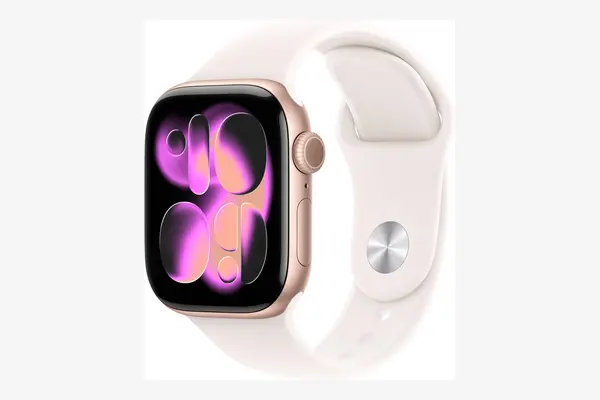
Apple Watch Series 11
Around $399 for GPS, about $499 for cellular, as of May 2026
The Series 11 is the watch most iPhone owners should buy, because it carries the full health stack without the Ultra's bulk or price. It adds FDA-cleared hypertension notifications that watch for chronic high blood pressure patterns over 30 days, a new sleep score, plus the existing ECG, blood oxygen, and temperature sensing. Apple rates it at 24 hours, stretching to about 38 in Low Power Mode, and it now carries 5G on cellular models. The honest catch is endurance: even at 24 hours you are charging it daily or nightly, which complicates sleep tracking, and it pairs with nothing but an iPhone. For an iPhone owner who wants the headline features at a sane price, nothing else competes.
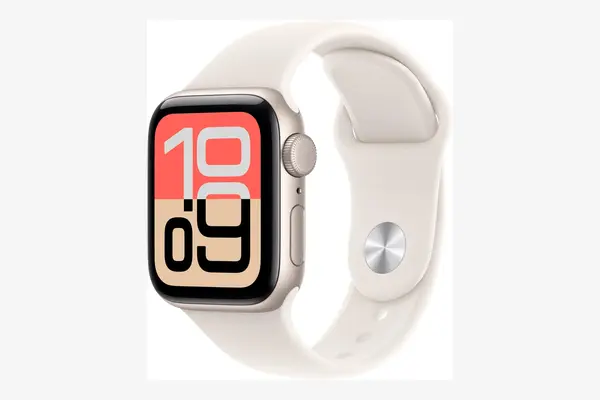
Apple Watch SE 3
Around $249 for GPS, about $279 for cellular, as of May 2026
The SE 3 is the value play and the right call for a first watch, a kid, or anyone who does not need clinical-grade sensors. The third generation finally adds a speaker for audio playback and steps up to a faster chip, while keeping core heart rate, activity, sleep, fall detection, and Emergency SOS. Apple rates it at 18 hours, up to about 32 in Low Power Mode. The tradeoffs are deliberate to protect the Series: no ECG, no blood oxygen, no temperature or blood pressure features, and a smaller non always-on display. If you want the Apple Watch experience for the lowest entry price and can live without the medical extras, the SE 3 is the smart buy.
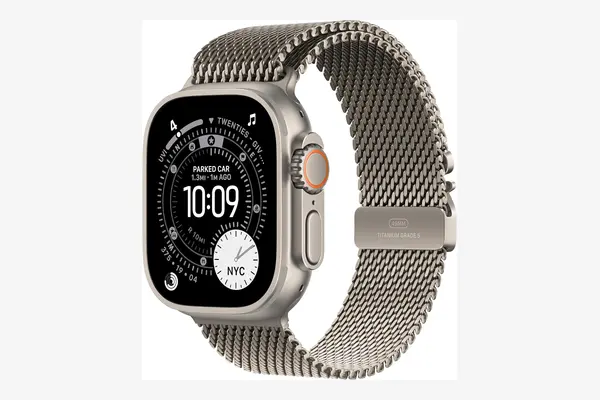
Apple Watch Ultra 3
Around $799 as of May 2026, cellular included
The Ultra 3 is the pick when battery and ruggedness matter more than price. The titanium 49mm case rates for 100-meter diving, the dual-frequency GPS is the most accurate Apple offers for trails and open water, and it adds 5G plus satellite connectivity for emergencies off the grid. Battery is the real reason to buy it: Apple rates it at 42 hours, up to about 72 in Low Power Mode, so it actually survives a long event and overnight sleep tracking without a midday top-up. The catch is that you pay double a Series 11 for endurance and durability you may never use, and it is a large, heavy watch on a small wrist. Worth it for divers, hikers, and ultra-distance athletes, overkill for everyone else.
For Android owners
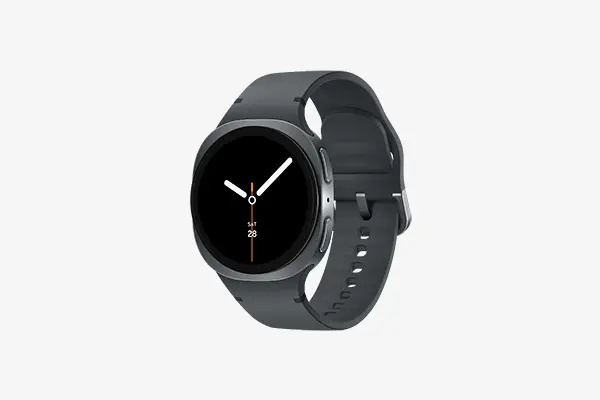
Samsung Galaxy Watch 8
Around $349 for the 40mm Bluetooth model as of May 2026, more for 44mm and LTE
The Galaxy Watch 8 is the default Wear OS pick, and the best one if you also carry a Samsung phone. It runs Wear OS 6 with One UI Watch on the Exynos W1000 chip, and the BioActive sensor covers heart rate, ECG, blood oxygen, skin temperature, and an FDA-authorized sleep apnea check. Its standout is blood pressure tracking, though the catch is real: it requires calibration against a separate upper-arm cuff every 28 days, and the feature is tied to Samsung phones. Samsung rates it at about 30 hours with the always-on display, so plan on daily charging. A strong all-rounder for Android, just note the deepest features assume a Galaxy phone, not any Android.
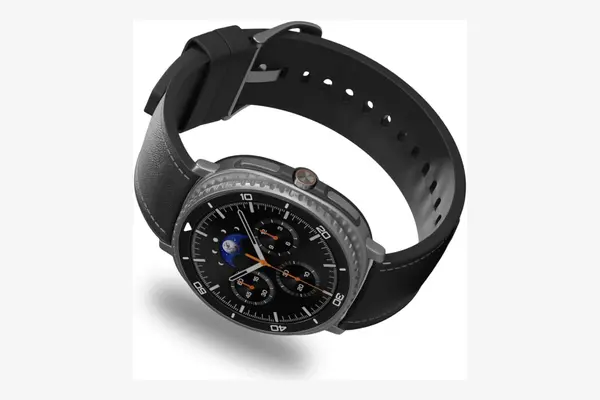
Samsung Galaxy Watch 8 Classic
Around $499 for Bluetooth, about $549 for LTE, as of May 2026
The Classic is the Galaxy Watch 8 for people who want the physical rotating bezel and a dressier 46mm case with sapphire glass. The bezel is genuinely the nicest way to scroll a watch interface, and you get the same Exynos W1000, Wear OS 6, and full sensor stack as the standard model, plus a slightly larger 445mAh battery rated at about 30 hours with the always-on display. The tradeoffs are size, weight, and price: it costs 150 dollars more than the base Watch 8 for the bezel and finish, comes in one large size only, and is heavier on a smaller wrist. Buy it for the bezel and the look, not for any sensor or battery you cannot get cheaper.
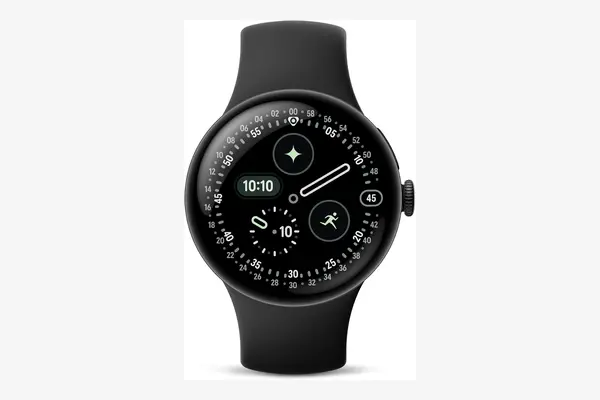
Google Pixel Watch 4
Around $349 for the 41mm Wi-Fi model, about $399 for 45mm, as of May 2026
The Pixel Watch 4 is the pick for Android owners who want Fitbit's health tracking and Google's AI baked in, and it pairs best with a Pixel phone. It runs the Snapdragon W5 Gen 2 with a bright domed display, includes Loss of Pulse Detection that can call for help if your heart stops, and is the first Pixel Watch you can actually repair, with replaceable screen and battery. Battery improved this generation to about 30 hours on the 41mm and 40 hours on the 45mm, with the larger model reaching roughly 72 hours in Battery Saver. The catch is that full health insight sits behind a Fitbit account, some of it paywalled, and like every Wear OS watch it needs an Android phone. The best fit if you live in Google's ecosystem.
For runners and long battery
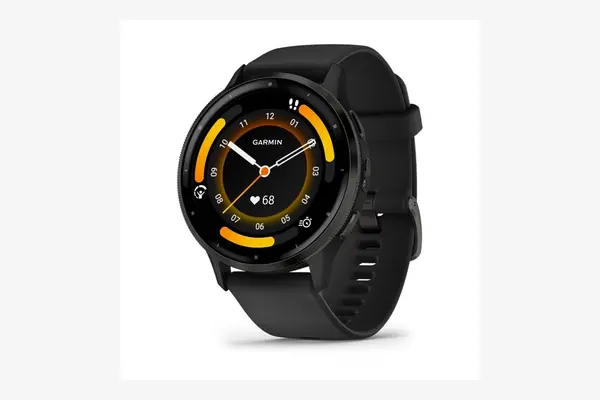
Garmin Venu 3
Around $300 to $400 as of May 2026, often discounted toward the lower end
The Venu 3 is the answer if you are tired of charging every night and want a watch that works on whichever phone you own. Garmin rates it at up to 14 days in smartwatch mode, a different league from any Apple, Galaxy, or Pixel watch, and it pairs equally well with an iPhone or Android. The AMOLED screen, sleep coaching, recovery metrics, and multi-band GNSS make it a capable everyday and fitness watch, and the platform-agnostic design is rare. The honest catch is that Garmin's smart features are thinner than Apple's or Samsung's: notifications and apps are basic, there is no real app store to speak of, and contactless pay and voice are more limited. Buy it for endurance and training depth, not for a phone-on-your-wrist experience.
Compared on the numbers
| Watch | Best for | Battery | Pairs with | Price (May 2026) |
|---|---|---|---|---|
| Apple Watch Series 11 | Most iPhone owners | ~24h | iPhone only | ~$399+ |
| Apple Watch SE 3 | Budget Apple Watch | ~18h | iPhone only | ~$249+ |
| Apple Watch Ultra 3 | Divers & outdoors | ~42h | iPhone only | ~$799 |
| Galaxy Watch 8 | Most Android owners | ~30h | Android | ~$349+ |
| Galaxy Watch 8 Classic | Rotating bezel | ~30h | Android | ~$499 |
| Pixel Watch 4 | Fitbit & repairable | ~30-40h | Android | ~$349+ |
| Garmin Venu 3 | Battery & either phone | Up to 14d | iOS + Android | ~$300-400 |
The phone in your pocket picks your watch before price does. An Apple Watch on an Android phone is a paperweight, and a Galaxy Watch loses half its health features off a Samsung phone.
Frequently asked questions
No. The Apple Watch pairs only with an iPhone and has no Android support, so setup is impossible without one. If you carry an Android phone, your real choices are the Galaxy Watch 8, the Pixel Watch 4, or a Garmin. Garmin is the only one of the bunch that works just as well on an iPhone, which makes it the safe pick if you might switch phones later.
Among mainstream smartwatches, the Garmin Venu 3 wins easily at up to 14 days in smartwatch mode. Of the Apple and Wear OS options, the Apple Watch Ultra 3 leads at about 42 hours, then the Galaxy and Pixel watches around 30 to 40 hours, with the Apple Watch SE 3 last at about 18. Always-on display and daily GPS pull every one of these figures down, so treat them as a best case, not a promise.
They are screening tools, not replacements for a clinical cuff. The Apple Watch Series 11 and Ultra 3 offer FDA-cleared hypertension notifications that flag patterns over 30 days rather than giving a reading, and they are not meant for people already diagnosed, those under 22, or during pregnancy. The Galaxy Watch 8 gives an actual blood pressure number but requires recalibration against an upper-arm cuff every 28 days and a Samsung phone. Use either as an early warning to see a doctor, not as a medical device.
Only if you regularly leave your phone behind, on runs, walks, or quick errands, and want calls, texts, and streaming on the wrist. Cellular adds roughly 50 dollars or more to the watch and a monthly line fee of about 10 dollars on most US carriers, which over a few years can rival the price of the watch itself. If your phone is almost always with you, the Wi-Fi or Bluetooth version saves real money and you lose very little. Buy cellular for the freedom, skip it to keep total cost down.