


The interesting question in 2026 is not which phone is best. It is how little you can spend before something you actually use gets worse. The answer has crept down. Every phone here has a sharp, fast OLED screen, an all-day battery, water resistance, and a software-support promise that, on two of them, matches the company's thousand-dollar flagship. So this guide is organized around the one thing that still varies a lot between them: what each asks you to do without. What a phone takes away rather than what it advertises is the test we run first, and it is the order you will read the six in below.
Best overall: Google Pixel 10a, the most camera and longest support under $500. Best performance and battery: OnePlus 13R, flagball speed and a 6,000mAh cell. Safest all-rounder: Samsung Galaxy A56. Best camera under $500: Nothing Phone 4a Pro, the only one here with a real periscope zoom. Best at $399: Samsung Galaxy A36. The value iPhone: iPhone 17e, fastest chip here, but a 60Hz screen.
| Phone | Price | Screen | Battery / charge | Software support |
|---|---|---|---|---|
| Google Pixel 10a | $499 | 6.x" OLED, 120Hz | 5,100mAh / 30W | 7 yrs OS + security |
| OnePlus 13R | $599 | 6.78" LTPO, 120Hz | 6,000mAh / 80W | 4 yrs OS, 6 yrs security |
| Samsung Galaxy A56 | $499 | 6.7" AMOLED, 120Hz | 5,000mAh / 45W | ~6-7 yrs OS + security |
| Nothing Phone 4a Pro | $499 | 6.83" AMOLED, 144Hz | 5,080mAh / 50W | 3 yrs OS, 6 yrs security |
| Samsung Galaxy A36 | $399 | 6.7" AMOLED, 120Hz | 5,000mAh / 45W | 6 yrs OS + security |
| Apple iPhone 17e | $599 | 6.1" OLED, 60Hz | MagSafe added | ~6-7 yrs (typical) |
Why updates are the new spec war
For years a cheap phone meant a short life: two updates, then a slow slide into insecurity. That has flipped. Google and Samsung now promise seven years of operating-system and security updates on midrange phones like the Pixel 10a and Galaxy A56, the same as their flagships. Nothing and OnePlus sit a notch lower, at three and four years of OS upgrades respectively, both with six years of security patches. Apple does not publish a number but historically supports a phone for roughly six to seven years.
Here is why it matters more than the chipset. Most people keep a phone three to five years, so even the shortest promise on this list outlasts typical ownership, and the longest means the phone you buy for $499 today is still getting security patches when a 2026 flagship buyer has long since upgraded. When two phones are close, support length is the tiebreaker that decides which one is still worth using in year five.
The six picks
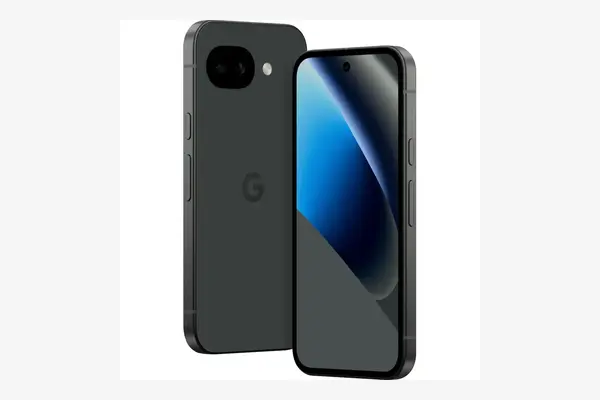
Google Pixel 10a
$499 (128GB) or $599 (256GB)
The Pixel 10a is the one to recommend to most people. Its camera and computational photography are still the best you can get near $500, the screen is a bright 120Hz OLED, and Google's seven-year update promise matches the Pixel flagship. The Tensor G4 chip is the honest compromise: fine for everyday use, but it trails the Snapdragon phones here on raw speed and runs warmer under load. There is no telephoto lens, and 30W charging is merely adequate. For most buyers, none of that outweighs the camera and the support runway.
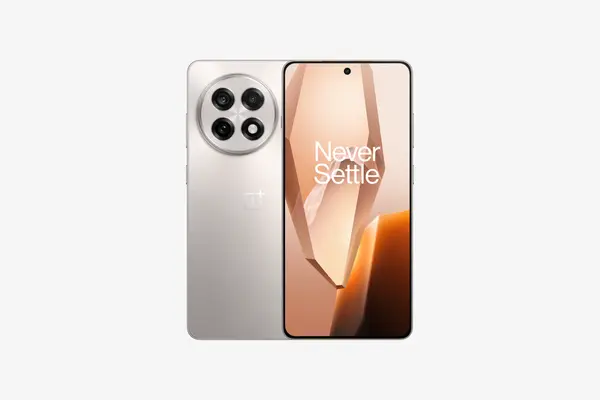
OnePlus 13R
$599 (12GB / 256GB)
The 13R is the one to buy if speed and endurance top your list. It runs last year's flagship Snapdragon chip, so it is the fastest phone here by a clear margin, and the 6,000mAh battery with 80W charging is in a different class, a full charge in under an hour and easily a day and a half of use. It even has a usable 2x telephoto. The tradeoffs are real: no wireless charging, a weak 8-megapixel ultrawide, and a four-year OS-update window that is shorter than the Pixel or Samsung. Gamers and heavy users will not care.
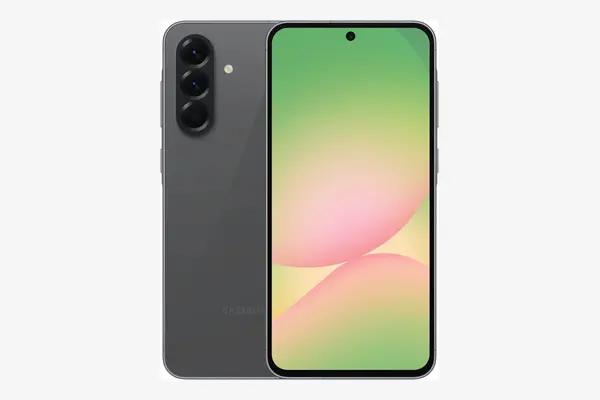
Samsung Galaxy A56 5G
$499
If you want the phone least likely to disappoint anyone, it is the A56. Nothing about it is class-leading and nothing is weak: a bright Super AMOLED screen, a 50-megapixel main camera with stabilization, 45W charging, water resistance, and Samsung's long update commitment with the polished One UI software. The Exynos chip is solidly midrange rather than fast, there is no wireless charging, and the third macro camera is filler you will ignore. As a no-drama daily driver in the Samsung ecosystem, it is the easy pick.
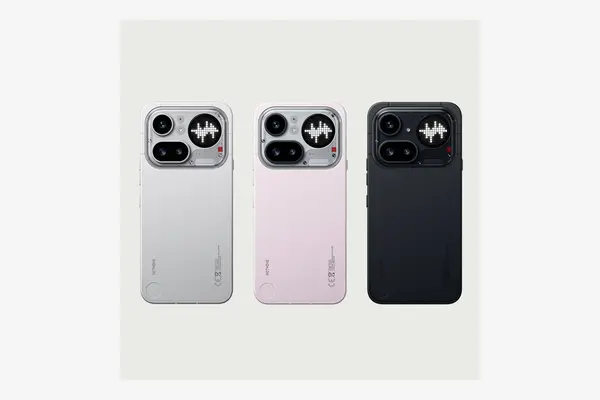
Nothing Phone (4a) Pro
$499 (8/128GB) or $599 (12/256GB)
The 4a Pro is the camera and design standout below $500, and the first of Nothing's a-series sold officially in the US. It is the only phone here with a true periscope telephoto, a 3.5x optical zoom, alongside a 50-megapixel main and ultrawide, in a metal unibody with IP68 water resistance and Nothing's distinctive Glyph lighting. A 144Hz AMOLED tops the screen specs too. The catches: only three years of OS upgrades, the shortest here, no wireless charging, and a Snapdragon 7-class chip that is a step behind the 13R. For zoom and looks at the price, nothing else competes.
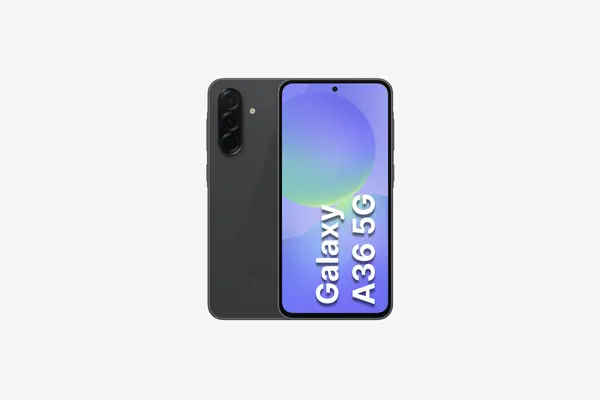
Samsung Galaxy A36 5G
$399 (128GB), often discounted
The A36 is where the value really sharpens. For $399 it keeps the things that make a phone pleasant to live with, a bright 120Hz AMOLED, a 5,000mAh battery with 45W charging, IP67 water resistance, and a 50-megapixel main camera, plus six years of updates that outlast most people's ownership. You step down to a more modest Snapdragon 6 chip, lose the telephoto, and accept a plastic frame. None of those show up in daily browsing, messaging, and photos. It is the best phone here for someone who wants to spend the least without it feeling cheap.
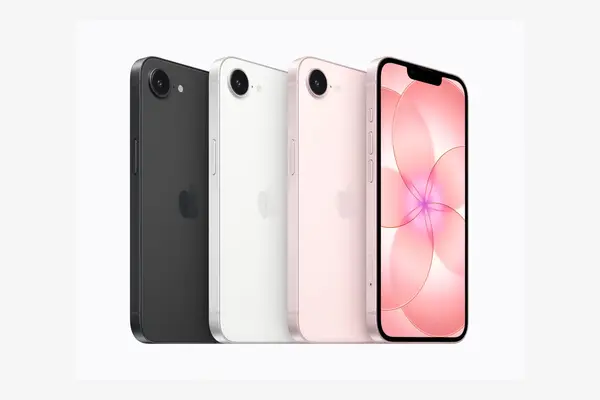
Apple iPhone 17e
$599 (256GB)
If you want into Apple's ecosystem for the least money, the 17e is the door. It carries the current A19 chip, so it is the fastest phone in this guide, gains MagSafe wireless charging this generation, and will get iOS updates for many years. But the value math is awkward: at $599 you get a single rear camera and, the real sticking point, a 60Hz screen when every Android here runs at 120Hz or 144Hz. Next to a fast panel, the iPhone 17e's display is a clear step behind on smoothness. Buy it for iOS and the chip, not the screen or the camera breadth.
Frequently asked questions
The Google Pixel 10a at $499 for most people, because it pairs the best camera near its price with a seven-year update promise that matches Google's flagship. If you prioritize raw speed and battery, the OnePlus 13R is the stronger pick at $599, and if you want to spend the least without the phone feeling budget, the Galaxy A36 at $399 is the value sweet spot.
Much longer than it used to. Google and Samsung now give seven years of operating-system and security updates on phones like the Pixel 10a and Galaxy A56, equal to their flagships. Nothing gives three years of OS upgrades and OnePlus four, both with six years of security patches, and Apple typically supports a phone for around six to seven years. Since most people keep a phone three to five years, even the shortest of these outlasts normal ownership.
Mostly the camera extras and a few conveniences. You usually lose a dedicated long-zoom telephoto, the best low-light and video processing, and on several picks wireless charging. What you no longer give up is the basics: a bright 120Hz OLED, a 5,000mAh-plus battery, water resistance, and long software support are now standard in this price band. The clearest outlier is the iPhone 17e, which still ships a 60Hz screen.
It depends on what you do with the phone. The $399 Galaxy A36 covers browsing, messaging, photos, and a full day of battery without feeling cheap. Step up to the 13R if you game or want the fastest performance and longest battery life, or to the 17e specifically because you want iOS. If your use is ordinary, the extra $200 buys speed and polish you may not notice day to day.
Two answers. The Pixel 10a takes the best single photos thanks to Google's processing, especially in tricky light, but it has no zoom lens. The Nothing Phone 4a Pro is the most versatile, the only phone here with a real 3.5x periscope telephoto, so it reaches subjects the others cannot. Pick the Pixel for point-and-shoot quality, the Nothing for zoom range.
Start from what you refuse to compromise on. If that is the camera or update length, the Pixel 10a wins. If it is speed and battery, the OnePlus 13R. If it is price, the Galaxy A36 at $399 gives up the least to get there. The phones have gotten good enough that the right one falls out of a single priority, not a spec-sheet shootout.