


Three numbers frame this whole category. A base iPad lists at about $349 and drops near $299 on sale, a Galaxy Tab A9+ sells for roughly $160 to $190, and an Amazon Fire HD 10 starts around $140. That is a 2.5x spread inside a band most people think of as one shelf, and the price is not buying you a sharper screen so much as a longer life and a more open set of apps. Every tablet here has an 1920x1200-or-better display and runs Netflix, a browser, and a Kindle app smoothly. What separates them is what happens in year three, and whether the apps you need will even install. So this is the question we lead with when we shop this shelf, will it still be useful, and open, three years from now.
For light work and the longest life: the base iPad (A16), the only pick with years of full OS updates and real keyboard and pencil support. For everyday Android streaming on a budget: the Galaxy Tab A9+, the cheapest tablet here with a full Google Play and a four-year update promise. For movies and music: the Lenovo Tab Plus, built around an eight-speaker JBL system and a kickstand. For cheap big-screen video in Amazon's world: the Fire Max 11. For the lowest price that still streams and reads well: the Fire HD 10.
| Tablet | Price (March 2026) | Display | Software | Stated battery |
|---|---|---|---|---|
| Base iPad (A16) | ~$299 to $349 | 11" 2360x1640 LCD, 60Hz | iPadOS 26, multi-year updates | ~10 hr |
| Galaxy Tab A9+ | ~$160 to $190 | 11" 1920x1200 LCD, 90Hz | Android, full Play, ~4 yr support | ~7,040mAh cell |
| Lenovo Tab Plus | ~$280 to $320 | 11.5" 2000x1200 LCD, 90Hz | Android, full Play | ~8,600mAh cell |
| Amazon Fire Max 11 | ~$229 to $279 | 11" 2000x1200 LCD, 60Hz | Fire OS, Amazon Appstore | up to 14 hr |
| Amazon Fire HD 10 | ~$140 to $180 | 10.1" 1920x1200 LCD, 60Hz | Fire OS, Amazon Appstore | up to 13 hr |
Why software decides it under $300
Spend a few minutes with any of these and the hardware feels broadly fine. The thing that quietly decides whether you regret the purchase is the operating system, and there are three different stories here. The base iPad runs the full iPadOS, gets years of major updates, and has the deepest tablet-app library of anything on the list, which is why it is the only pick here you can sensibly call a light laptop replacement. Reviewers note the catch up front: the screen is not laminated, so there is a faint air gap and a slightly hollow feel under a pencil compared with pricier iPads, per GSMArena's testing.
The Galaxy Tab A9+ and Lenovo Tab Plus run standard Android with the full Google Play Store, so anything you use on an Android phone installs without tricks. Samsung commits the Tab A9+ to roughly four years of updates, reaching One UI 8.5 before it shifts to security-only patches, which is rare honesty at its price. The two Amazon Fire tablets are the outliers: they run Fire OS, a fork of Android locked to the Amazon Appstore. There is no Google Play out of the box, so no Gmail, YouTube, or Google Maps unless you sideload them, and apps that check device integrity, including some banking apps and Netflix in HD, can refuse to run on a Fire tablet even after that. Buy a Fire for what Amazon already supports, not for a specific app you are counting on.
The five picks
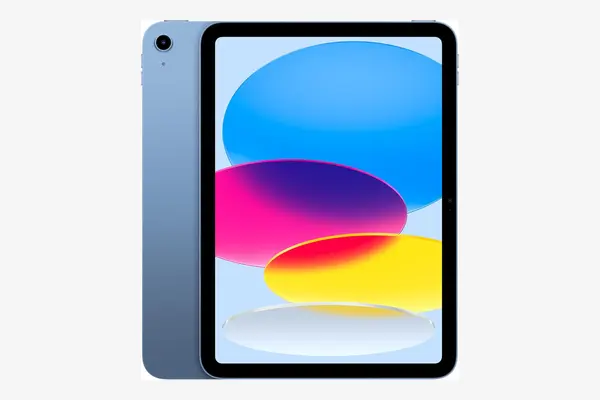
Base iPad (A16)
around $299 to $349 as of March 2026 for the 128GB Wi-Fi model; confirm the current sale price
If your tablet has to do more than play video, this is the one. The A16 chip is faster than anything else here, iPadOS gives you the largest and best-built tablet-app library, and it supports the USB-C Apple Pencil and a keyboard folio, so it stretches into note-taking, email, and document edits in a way none of the Android or Fire picks manage. It also lasts: Apple has supported this line with major OS updates for years on end. The one tradeoff to name is the screen. It is a sharp but unlaminated 60Hz LCD, which means a faint air gap under a pencil and less of the glassy feel you get from a Tab S or iPad Air, and you pay for the accessories separately. For most people who want a tablet that is still useful in 2030, the price is worth it.
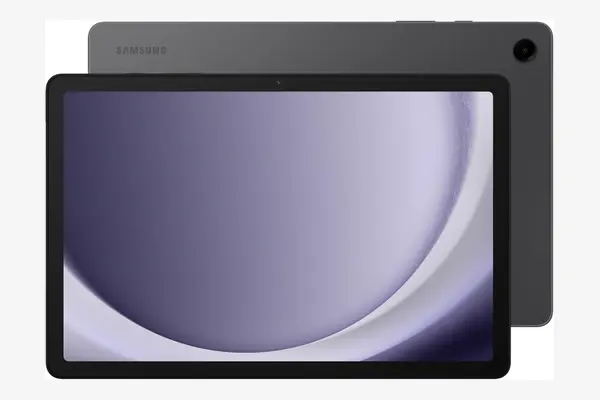
Samsung Galaxy Tab A9+
around $160 to $190 as of March 2026, often discounted from a higher list price
This is the value heart of the list. For well under $200 you get an 11-inch 90Hz LCD, a Snapdragon 695, a roughly 7,040mAh battery, and the full Google Play Store, so every app you run on an Android phone is here without sideloading. Samsung also commits it to around four years of updates, which at this price is unusual and is the main reason to pick it over a Fire tablet. The tradeoffs are honest ones: the Snapdragon 695 is an entry-level chip that will stutter in demanding 3D games, charging tops out near 15W so a full fill is slow, and the LCD is fine rather than vivid. For browsing, streaming, video calls, and Kindle on a budget, nothing here does more for the money. Just do not expect it to feel fast under load.
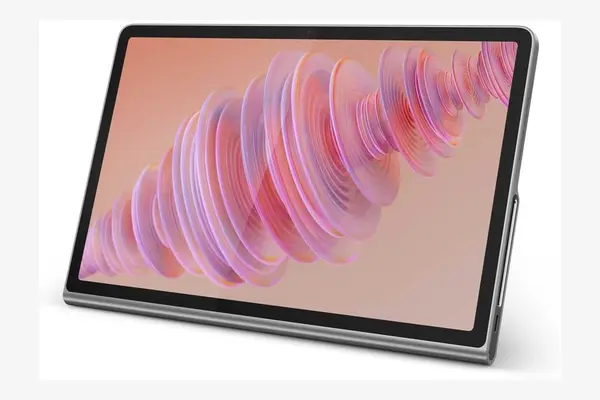
Lenovo Tab Plus
around $280 to $320 as of March 2026 for the 128GB model; confirm current price
Lenovo built this one around sound, and it shows. It packs eight JBL-tuned speakers in a Hi-Fi matrix with Dolby Atmos, plus a built-in kickstand that props the 11.5-inch 2K 90Hz screen at a viewing angle, so it is the closest thing here to a portable entertainment unit you set on a kitchen counter or tray table. The roughly 8,600mAh battery and full Google Play Store round it into a capable all-rounder. The tradeoff is the engine inside: the MediaTek Helio G99 is a modest chip, so this is a media and browsing tablet rather than a gaming or work one, and at over 600 grams it is heavier than the Tab A9+ to hold for long reading sessions. If audio is what you care about most under $300, it is the obvious choice, with the caveat that you are paying for speakers, not speed.
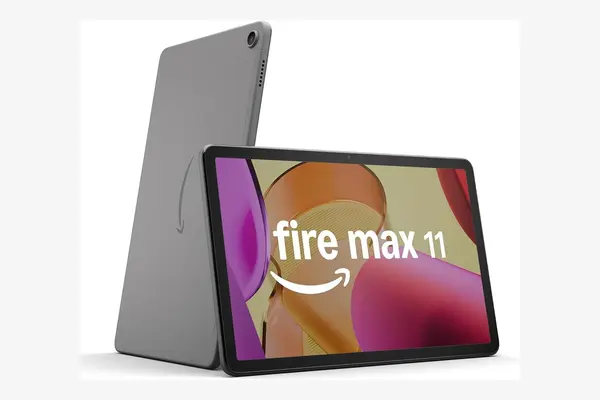
Amazon Fire Max 11
around $229 to $279 as of March 2026; the $229 base has lockscreen ads, the $279 model drops them and adds storage
The Fire Max 11 is Amazon's best tablet, with a bright 2K 11-inch screen and an aluminum body that feels a class above its price, and Tom's Guide measured strong battery life against the budget field. If you live inside Prime Video, Kindle, Audible, and Alexa, it is a lot of screen for the money. The defining tradeoff is Fire OS. It runs the Amazon Appstore, not Google Play, so Gmail, YouTube, and Google Maps require sideloading that can break with updates, and some apps that check device integrity may not run at all. Optional keyboard and stylus accessories exist, but the app limits and a fairly modest MediaTek chip keep it from being the productivity tablet Amazon markets. Buy it as a big, cheap, well-built screen for Amazon's services, and nothing more.
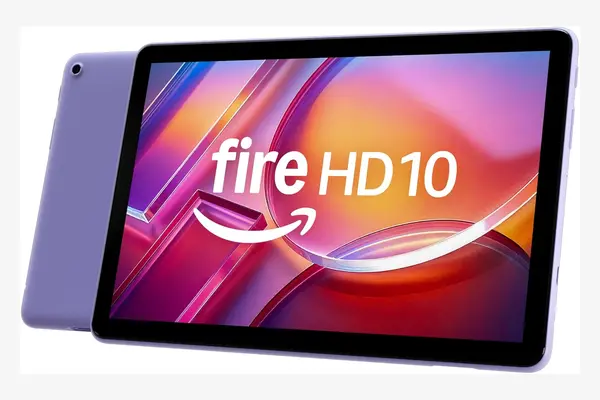
Amazon Fire HD 10
around $140 to $180 as of March 2026; $140 buys 32GB with lockscreen ads, $180 the 64GB model
At roughly $140 this is the cheapest credible tablet here, and it earns the spot. The 10.1-inch 1920x1200 screen is genuinely good for the money, Amazon claims up to 13 hours of battery, and Tom's Guide called it a sweet spot in tablet value. For a couch streamer, a kids' device, or a kitchen Kindle reader, it does the core jobs without complaint. The tradeoffs are the same Fire OS limits as the Max 11, plus tighter hardware: just 3GB of RAM and a slower chip, so multitasking and heavier apps drag, and storage starts at a cramped 32GB before you add a microSD card. If you want the absolute least you can spend and still have a pleasant screen for video and reading, this is it, as long as you never needed Google's apps.
Under $300 you are not really buying pixels or speed. You are buying years of updates and the right to install the apps you need.
Frequently asked questions
It depends on the job. For light work and the longest useful life, the base iPad (A16) at roughly $299 to $349 is the pick, since it is the only one with years of full OS updates and real keyboard and pencil support. For everyday Android streaming on the smallest budget, the Galaxy Tab A9+ at around $160 to $190 gives you the full Google Play Store and a four-year update promise. For movies and music, the Lenovo Tab Plus and its eight JBL speakers is the standout.
Not out of the box. Fire tablets run Fire OS, a fork of Android locked to the Amazon Appstore, so there is no Google Play and no native Gmail, YouTube, or Google Maps. A long-running community method lets you sideload the Play Store without rooting, but Amazon updates can break it, and apps that check device integrity, including some banking apps and Netflix in HD, may still refuse to run. If you depend on Google's apps, buy the Galaxy Tab A9+ or Lenovo Tab Plus instead, since both ship with the full Play Store.
For some buyers, yes. The base iPad costs roughly $299 to $349 against $140 to $279 for a Fire, and what the extra money buys is longevity and capability, not just polish. You get years of major OS updates, by far the largest tablet-app library, a faster chip, and keyboard and pencil support that make it usable for note-taking and light document work. If all you want is a screen for streaming and reading, a Fire HD 10 or Galaxy Tab A9+ does that for much less. If the tablet has to handle real tasks and still be useful in several years, the iPad is the safer spend.
Start from what you will actually do with it, not the spec sheet. Tablet has to do light work and last for years, the base iPad (A16). Cheapest open Android for streaming and reading, the Galaxy Tab A9+. Audio first, the Lenovo Tab Plus. Already all-in on Amazon, the Fire Max 11 for a bigger screen or the Fire HD 10 for the lowest price. The only wrong move is buying a Fire and then needing a Google app it will not run.