


Daylight is solved. Hand any of these four phones a well-lit scene and all of them hand back a clean, shareable frame, which is why a daytime sample tells you almost nothing. The separation lives in the hard cases: dim rooms, a subject that will not hold still, a far thing you need to pull close. Those are the conditions this ranking is built on, because they decide how often a phone actually returns the shot you saw rather than the one the box promised. Megapixel counts get you nowhere here; hit rate under pressure is the real measure. That hit rate is the bar we shoot to here, so every pick below is judged on the frame it hands back when the light gives out, not the spec on the box.
Want a frame to just appear with almost no input from you? The Google Pixel 10 Pro asks the least and returns a good shot most often. Living in video, or you would rather not babysit any one weak lens? The Apple iPhone 17 Pro Max runs the steadiest motion and color pipeline of the group. Always framing far things and cropping in? The Samsung Galaxy S25 Ultra is the lone 200MP main with four genuine zoom steps. Spending under $500 and fine without a telephoto? The Google Pixel 10a keeps most of the Pixel look.
The four picks, ranked
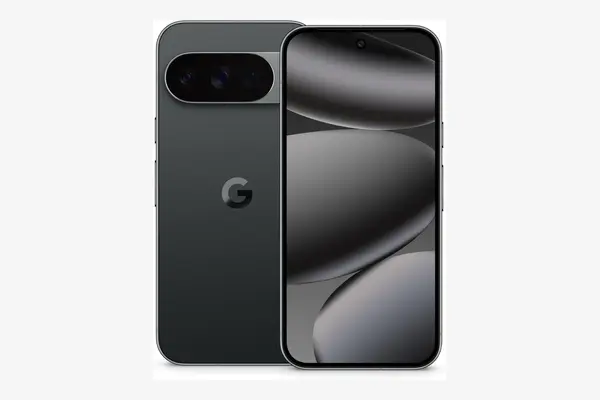
Google Pixel 10 Pro
around $999 to $1,199 as of May 2026 for the Pro, with the larger Pro XL at the top of that range; confirm current price
For most people the Pixel 10 Pro is the camera to beat, because it asks the least of you. The triple system pairs a 50MP main at f/1.7 with a 48MP ultrawide and a 48MP 5x periscope telephoto, and Google's processing is what turns those into keepers, especially in low light and on faces. It reaches a claimed 100x Pro Res Zoom, though the genuinely usable detail tapers well before that. DXOMARK scored the Pro XL at 163, placing it around fifth globally, strong but a notch under the iPhone on raw points. The honest tradeoff is video: the Tensor pipeline is good, not the class leader, and the look is processed enough that some shooters find it heavy-handed. If you want to lift the phone and trust it, this is the one.
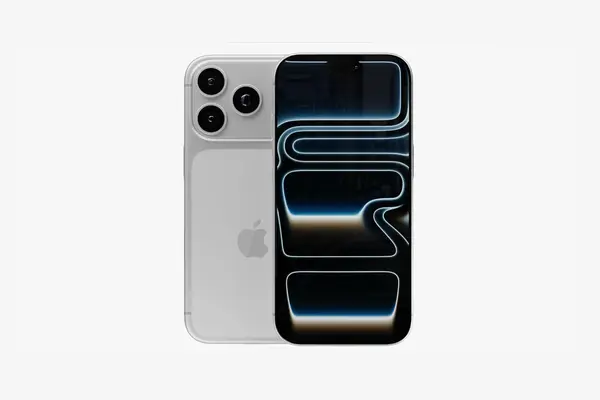
Apple iPhone 17 Pro Max
around $1,199 as of May 2026 at launch pricing for the 256GB Pro Max; confirm current price
If you shoot a lot of video, or you want the system with the fewest weak spots, the 17 Pro Max is the pick. It runs three 48MP Fusion cameras, main, ultrawide, and an all-new telephoto built on a tetraprism that delivers 8x optical-quality zoom at a 200mm-equivalent, for a 16x total optical range and the longest reach Apple has shipped. The main is a 24mm f/1.78. Independent testing rates Apple's video as best in class; DXOMARK gave the iPhone 17 Pro a chart-topping video score, and the color and motion handling are the most natural here. The catch is the price and the fact that the 8x telephoto drops to 12MP versus 48MP at 4x, so the very longest reach trades away some resolution. For mixed photo and video, nothing here is more dependable.
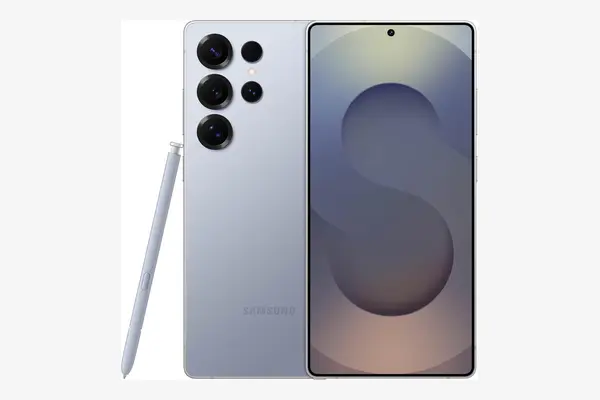
Samsung Galaxy S25 Ultra
around $900 to $1,299 as of May 2026, with the $1,299 list price discounted heavily ahead of the next model; confirm current price
The S25 Ultra is the phone for people who frame at distance and crop hard. It is the only one here with a 200MP main sensor, joined by a 50MP ultrawide, a 50MP 5x periscope, and a 10MP 3x telephoto, giving four optical-quality zoom steps at 2x, 3x, 5x, and 10x. That spread means you almost always have a real lens close to your subject rather than a digital crop. All that resolution rewards good light with enormous detail you can punch into later. The tradeoffs: the color tuning leans punchy and warm out of the box, and the 10MP 3x lens is the weakest sensor in the set, so it lags the main in dim rooms. With list pricing falling fast in mid-2026, it is also the easiest flagship here to find on sale. For zoom range, nothing else competes.
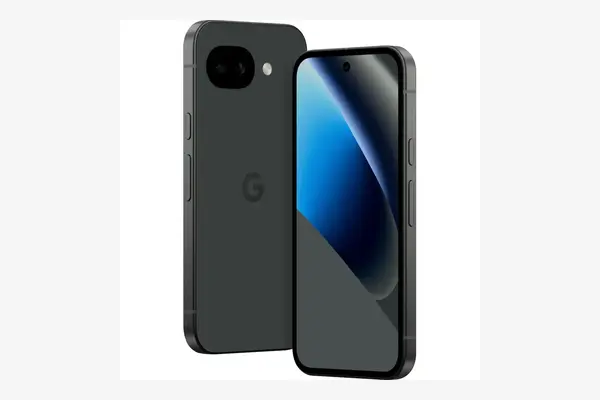
Google Pixel 10a
around $499 as of May 2026 for the 128GB model; confirm current price
The Pixel 10a is the shortcut for anyone who mostly shoots in decent light and does not need a zoom lens. It carries a 48MP main at f/1.7 with stabilization and a 13MP ultrawide, and it runs the same computational photography that makes the pricier Pixels easy to trust, so single frames in good and even tricky light punch far above the price. Google markets it as the best camera under $500, and for stills that is a fair claim. The hard limit is reach: there is no telephoto at all, so anything beyond about 2x is a digital crop that softens quickly, and the ultrawide sensor is small. If your photos are people, food, and scenes rather than distant subjects, this saves you several hundred dollars. For the full breakdown of phones in this price band, see our best value smartphones guide.
Video and computational notes
Stills are close enough across the three flagships that video is often the real decider. The iPhone 17 Pro Max leads it clearly: independent lab testing put Apple's current video score at the top of the chart, and in practice it holds exposure and color through changing light and fast motion better than the others, which is why a lot of creators stay on iPhone for clips even when they prefer another phone for photos. The Pixel 10 Pro and Galaxy S25 Ultra both shoot strong video, but each leans on processing in a way you can sometimes see, the Pixel toward a flatter, computational look and the Galaxy toward saturation.
On the photo side, the split is about taste and reach. Here is the short way to think about each one:
- Pixel 10 Pro: the most forgiving point-and-shoot, best in low light and on faces, with a processed look some find heavy.
- iPhone 17 Pro Max: the most natural color and the longest optical reach at 200mm, but its 8x mode drops to 12MP.
- Galaxy S25 Ultra: the most detail and the widest zoom spread, with punchy default color and a weaker 3x lens.
- Pixel 10a: the Pixel stills look for $499, with no telephoto and a small ultrawide sensor.
Lab scores like DXOMARK measure a controlled set of conditions, not your conditions. A few points between two flagships will not show in a phone-sized photo, and the right pick still comes down to whether you value reach, video, or a frame you do not have to think about.
| Phone | Main | Telephoto | Optical zoom | Approx. price |
|---|---|---|---|---|
| Google Pixel 10 Pro | 50MP f/1.7 | 48MP 5x periscope | Up to 5x (100x Pro Res) | ~$999 to $1,199 |
| iPhone 17 Pro Max | 48MP f/1.78 | 48MP tetraprism, 200mm | Up to 8x (16x range) | ~$1,199 |
| Galaxy S25 Ultra | 200MP | 50MP 5x + 10MP 3x | 2x / 3x / 5x / 10x | ~$900 to $1,299 |
| Google Pixel 10a | 48MP f/1.7 | None | Digital only | ~$499 |
Frequently asked questions
For most people the Google Pixel 10 Pro, because its computational photography returns a good frame more often than anything here with the least effort, especially in low light. If you shoot a lot of video, the iPhone 17 Pro Max is stronger, since independent labs rate its video at the top of the chart. If you frame distant subjects, the Galaxy S25 Ultra and its four zoom steps win on reach. There is no single answer; it depends on what you shoot.
Two ways to read that. For sheer reach, the iPhone 17 Pro Max has the longest optical-quality zoom here, an 8x at a 200mm-equivalent for a 16x total optical range, though that 8x mode captures 12MP rather than the full 48MP. For flexibility, the Galaxy S25 Ultra gives the most usable steps, with optical-quality zoom at 2x, 3x, 5x, and 10x, so you almost always have a real lens near your subject. The Pixel tops out at a 5x lens but pushes a claimed 100x with processing that softens well before the limit.
Only if you need what the $499 Pixel 10a lacks, which is mainly zoom and the best video. The 10a uses the same Google stills processing as the Pro, so for people, food, and scenes in normal light it gets you most of the way for less than half the price. You give up any telephoto lens, so anything past roughly 2x is a digital crop that softens fast, and the ultrawide sensor is small. If distant subjects or serious video are not your thing, the savings are real.
It is a taste call more than a quality one. The Pixel 10 Pro leans into computational processing, so it is the easiest to trust in low light and on faces, with a look some find a touch heavy. The iPhone 17 Pro Max renders color more naturally, holds up better in video, and reaches further with its 200mm telephoto. Pick the Pixel if you want to lift the phone and not think; pick the iPhone if you value natural color, longer zoom, and stronger clips.
Start from what you shoot most. If you want a frame you do not have to think about, the Pixel 10 Pro. If you shoot video or want the most balanced system, the iPhone 17 Pro Max. If you frame at distance, the Galaxy S25 Ultra and its four zoom steps. And if your shots live in good light without a zoom, the Pixel 10a saves you several hundred dollars and still looks like a Pixel. The cameras are good enough now that the right one falls out of a single priority, not a spec sheet.