


Start from how you plan to use the camera, then choose the hardware to match. If you want footage you fully control and never pay a monthly fee for, a Eufy SoloCam with a HomeBase hub is the buy. If you want the easiest outdoor camera that just works, the Arlo Pro 5S is it, as long as you accept the Arlo Secure bill. If you already live in Google or Amazon, a Nest Cam or Ring slots in cleanest. And if you only have forty dollars, a Wyze Cam v4 on a microSD card does the basics honestly. The expensive mistake is buying any of them without first pricing the subscription, because over three years the fee usually costs more than the camera.
Every pick here is judged on its three-year cost of ownership, not its sticker price: the camera, plus thirty-six months of whatever plan turns it into something useful. We read each manufacturer's current plan page, cross-checked the tiers against Security.org and SafeWise, and noted what the camera does with no plan at all. We did not test these units ourselves; the verdicts come from published specs, plan pricing, and independent lab and policy reporting. The number that actually decides a security camera is thirty-six months of plan, and weighing that before the box is the TrueAction habit.
The subscription catch nobody prices in
A security camera without a recording plan is mostly a live window you have to be watching. Pull up most cloud cameras with no subscription and you get live view and a motion ping, but the clip itself is gone, or capped to a few seconds, or held for a single day. The plan is what stores the footage you actually want when something happens. That is the catch, and it is priced to look small at five or ten dollars a month while it quietly becomes the largest line in the budget.
Run the numbers over three years and the order of the brands flips. Ring Home Basic covers one camera for roughly 5 dollars a month, about 50 dollars a year if you pay annually, so 150 dollars over three years on top of the hardware. Arlo Secure starts near 8 dollars a month for a single camera, close to 290 dollars across three years. Google Home Premium, the plan formerly called Nest Aware, runs about 100 dollars a year at the Standard tier and 200 at Advanced, so 300 to 600 dollars over three years. A Eufy camera that records locally is 0 dollars a year, forever. Confirm current plan prices before you buy, since every one of these vendors has raised fees recently.
Over three years the recording plan usually costs more than the camera it records for. Price the fee first and the cheap camera is rarely the cheap choice.
Best with no monthly fee: Eufy SoloCam
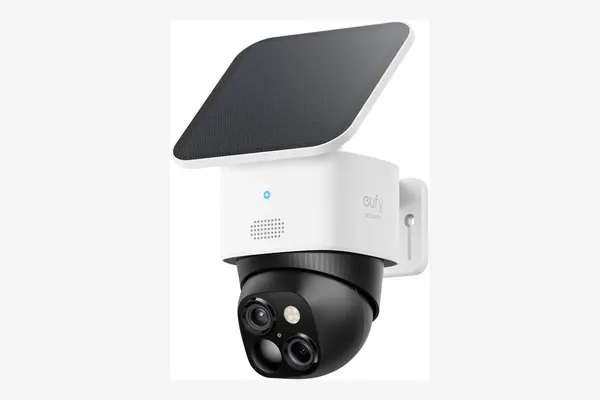
Eufy SoloCam S340 (with HomeBase 3)
camera around 130 to 200 dollars, HomeBase 3 around 130 to 150 dollars as of April 2026; confirm current price
This is the pick that wins the three-year math by simply not having a bill. The SoloCam S340 is a solar, battery, dual-lens outdoor camera that records to local storage, and paired with a HomeBase 3 hub your footage stays on a drive you own with no recurring fee. Eufy lists the hub at 1 TB internal storage, expandable toward 16 TB, which is years of clips. The dual lens gives you a wide view plus a zoom on detail, and the solar panel means you rarely think about charging. The real tradeoff is trust, not specs: in 2025 the New York Attorney General reached a 450,000 dollar settlement after some Eufy streams were found transmitting without end-to-end encryption, which Eufy says it has since fixed by moving to encrypted WebRTC. Treat the no-fee promise as the main reason to buy, and the privacy history as the reason to keep firmware current.
If you want the cheapest possible entry into the no-fee world and do not need the dual lens, the SoloCam S220 is a single-lens 2K solar camera with built-in storage that works without a hub at all. It is the camera to buy when you want one outdoor view, recorded locally, for the least money, and you are fine managing storage on the camera itself rather than a central hub.
Best outdoor battery camera: Arlo Pro 5S
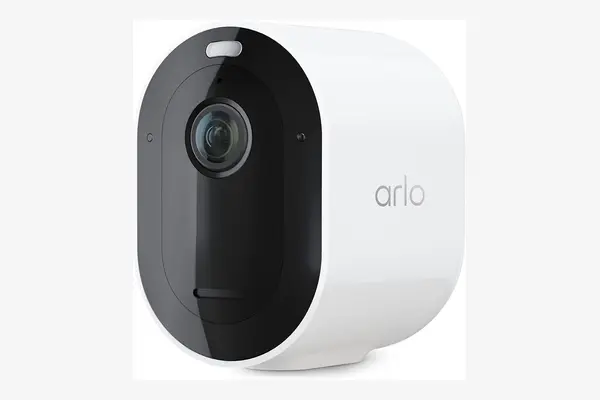
Arlo Pro 5S 2K
camera around 200 to 250 dollars as of April 2026, plus Arlo Secure from about 8 dollars a month
If you just want an outdoor camera that works without fuss, this is the one, and the price you pay for that ease is the Arlo Secure plan. The Pro 5S shoots 2K HDR with color night vision, a wide field of view, and a battery Arlo rates at roughly three to six months between charges depending on how busy the view is. The detection is reliable and the app is the most polished of the group. The catch is structural: with no plan, you lose the recorded clips and the smart person and vehicle alerts that make it worth owning, so budget the subscription as part of the purchase. Secure for a single camera lands near 8 dollars a month with 30-day cloud history, and Secure Plus near 18 dollars a month adds unlimited cameras and longer storage.
Best wired indoor on a budget: Wyze Cam v4
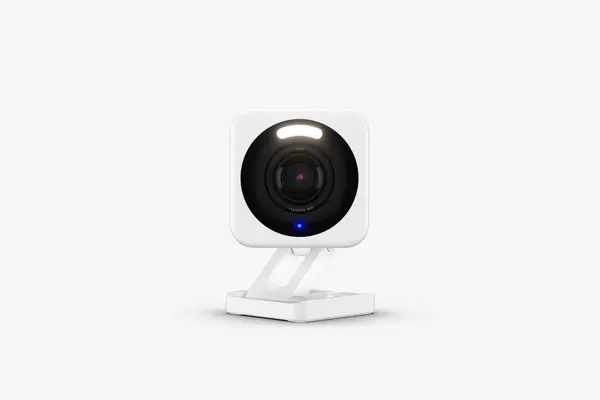
Wyze Cam v4
around 35 to 40 dollars as of April 2026; Cam Plus about 3 dollars a month or 30 dollars a year
For a plug-in indoor camera under forty dollars, nothing else is close. The Cam v4 does sharp daytime video, color night vision, and motion clips, and it will record to a microSD card with no subscription at all, which is the honest way to run it. Add Cam Plus, recently raised to about 30 dollars a year for annual or 3 dollars a month, and you get cloud event recording and smarter detection, or Cam Unlimited at roughly 10 dollars a month covers every Wyze camera you own. The tradeoff is that it is a wired camera, so it needs an outlet, and Wyze is the lightest-weight brand here on long-term support and security track record, so keep it on indoor or low-stakes views rather than as your only line of defense.
Best if you live in one app: Nest or Ring
These two are not better cameras than the picks above; they are the right buy when your house already runs on Google or Amazon and you want the camera to disappear into the app you use every day. Both are good hardware tied to plans that have gotten more expensive, so the deciding question is which assistant already owns your living room.
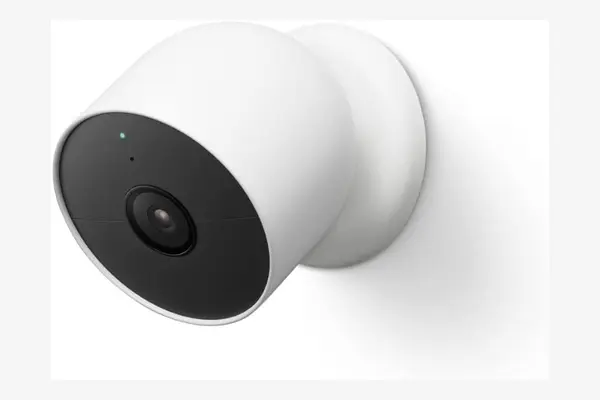
Google Nest Cam (battery)
camera around 160 to 180 dollars as of April 2026, plus Google Home Premium from about 10 dollars a month
The battery Nest Cam is the cleanest fit if you have Nest displays or speakers, with strong on-device person, animal, and vehicle detection that works for a short window even without a plan. The full value needs Google Home Premium, the plan that used to be Nest Aware, which is roughly 100 dollars a year at Standard for 30-day event history, or 200 a year at Advanced for 60 days plus ten days of 24/7 continuous recording. That puts the realistic three-year cost well above the hardware. Buy it for the integration and the detection quality, and go in knowing the plan is where the spend lives.
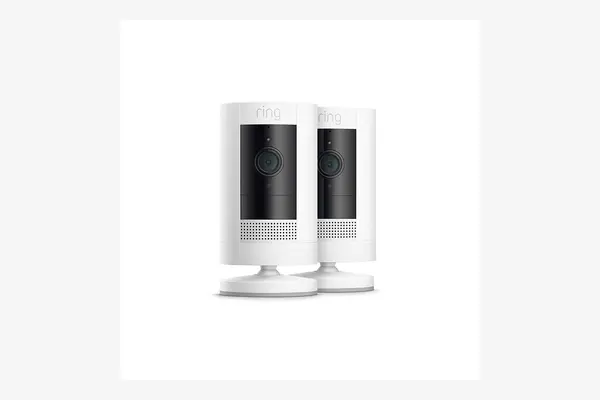
Ring (battery or wired)
cameras commonly around 60 to 200 dollars as of April 2026, plus a Ring plan from about 5 dollars a month
Ring is the broadest lineup and the tightest Alexa integration, which is the whole reason to pick it over the others. The cheapest plan, Ring Home Basic, covers a single camera for about 5 dollars a month and is enough for one doorbell or one camera; the mid plan near 10 dollars a month covers every device at the address; the top plan near 20 dollars a month adds 24/7 recording for up to 14 days and Wi-Fi backup. Note that Ring raised these fees by about 43 percent at the last major change, so confirm the current number. The tradeoff worth weighing is ownership: Ring is an Amazon company with a long history of law-enforcement data requests, so it is the least private choice on this page even after recent policy tightening.
The numbers side by side
| Pick | Power | Storage model | Plan, single camera | ~3-yr plan cost |
|---|---|---|---|---|
| Eufy SoloCam S340 | Solar / battery | Local (HomeBase) | None required | ~$0 |
| Arlo Pro 5S 2K | Battery | Cloud (Secure) | ~$8/mo | ~$290 |
| Wyze Cam v4 | Wired | microSD or cloud | ~$3/mo (optional) | ~$0-90 |
| Google Nest Cam | Battery | Cloud (Home Premium) | ~$10/mo | ~$300-600 |
| Ring camera | Battery / wired | Cloud (Ring plan) | ~$5/mo | ~$150 |
Local vs cloud, and the privacy part
The storage model is also the privacy model, so decide this before you decide on a brand. Local storage, the Eufy approach, keeps your footage on a drive in your home, which means no monthly fee and no company holding your video, but it also means you are the one responsible for the hub and for keeping firmware patched. Cloud storage, the Ring, Arlo, and Nest approach, makes remote access and sharing effortless and survives a stolen camera, but your footage lives on a company server under that company's policies and access rules.
- Local is cheapest and most private, but only if you actually keep the hub powered, online, and updated. A camera with no patches is a worse risk than a cloud one.
- Cloud is most convenient and most resilient, at the cost of a recurring fee and trusting a company with your video and its retention rules.
- Eufy's record is mixed. The local promise is real, but a 2025 New York Attorney General settlement covered streams that lacked end-to-end encryption; the fix is in newer firmware, so update on day one.
- Ring is the least private by design. As an Amazon company it has a documented history of law-enforcement footage requests, so weigh that if it matters to you.
- Always turn on two-factor authentication. The most common camera breach is a reused password, not a clever hack, and that is on the owner, not the brand.
Frequently asked questions
For most cloud cameras, yes, if you want recorded footage. Without a plan, Ring, Arlo, and Nest mostly give you live view and a motion alert, but the clip you would actually want after a break-in is gone or held for a day at most. The exception is local-storage cameras like Eufy, which record to a hub or microSD with no fee, and Wyze, which records to a microSD card for free and only charges for cloud features. If you do not want a recurring bill, buy a local-storage camera from the start rather than a cloud one you will end up paying for anyway.
Wired if you have an outlet where the camera goes, battery if you do not. Wired cameras never need charging and can record continuously, which is why budget indoor picks like the Wyze Cam v4 are wired. Battery cameras like the Arlo Pro 5S and Eufy SoloCam win on placement freedom, you can put them anywhere, and solar models like the SoloCam basically never need a charge in a sunny spot. The honest tradeoff is that battery cameras record on motion rather than continuously to save power, so they can miss the first second of an event. For a fixed indoor view, wired is simpler and cheaper; for outdoor corners with no power, battery or solar is the answer.
It is usable, with eyes open. In 2025 the New York Attorney General reached a 450,000 dollar settlement after finding some Eufy video streams were transmitted without end-to-end encryption and could be accessed without authentication. Eufy says it has since moved to encrypted WebRTC streaming and fixed the underlying issues. The local-storage, no-fee model is still the strongest on cost and on keeping your footage off a company server. The practical advice is to buy current models, update the firmware immediately, and turn on two-factor authentication. If a flawless privacy record is your top requirement, that history is a reason to hesitate.
Add the camera to thirty-six months of plan, because the plan is usually the bigger number. A Eufy local-storage setup is the camera plus a hub and then nothing, so call it 250 to 350 dollars total and done. A Ring camera on the cheapest single-camera plan is the hardware plus about 150 dollars in fees. An Arlo on Secure is the hardware plus roughly 290 dollars. A Nest on Google Home Premium is the hardware plus 300 to 600 dollars depending on tier. That is why the cheapest camera on the shelf is rarely the cheapest camera to own, and why pricing the subscription first changes which one you buy.
Lowest total cost and you want to own your footage: Eufy SoloCam with a HomeBase hub, zero monthly fee, just keep the firmware current. Easiest outdoor camera and you accept the bill: Arlo Pro 5S on Arlo Secure. Cheap indoor view done honestly: Wyze Cam v4 on a microSD card. Deep in Google or Amazon already: a Nest Cam on Home Premium or a Ring camera on the basic plan, whichever assistant runs your house. Whichever you pick, price the subscription before the camera, because that is the number that actually decides this.