


The hard part of buying a tablet in 2026 is not finding a good one. It is working out which differences you will actually feel. Every tablet here runs apps quickly, lasts a long day, and shows a sharp screen. What changes with price is the panel technology, how much chip headroom you have for years to come, and whether the pen and keyboard you need are included or sold separately for a few hundred dollars more. So this guide sorts six tablets by who each one suits, and for every pick it names the single thing you give up. Pricing the pen and keyboard into the number, not just reading the shelf tag, is the habit TrueAction refuses to drop, since that is where two tablets at one price drift hundreds apart.
Most people: Apple iPad Air (M4), the sweet spot of speed, screen, and accessory support from $599. Spending the least: Apple iPad (A16) at $349, all the tablet basics and very little else. Creative pros and power users: iPad Pro (M5), the only one here with an OLED 120Hz screen and laptop-class chip. Android big-screen and pen note-takers: Samsung Galaxy Tab S11 Ultra, a 14.6-inch AMOLED with the S Pen in the box. Android without the Ultra price: Galaxy Tab S11 at $799, same pen, smaller screen. Best value in Android: OnePlus Pad 3, a 13.2-inch 144Hz tablet from around $699.
The price tag is not the whole price
The number on the shelf is where the cost starts, not where it ends. If you want a tablet for drawing or real typing, the pen and keyboard usually cost extra, and on Apple that extra is steep. Apple lists the Apple Pencil Pro at $129 and the Magic Keyboard for iPad Air at $269, so an $599 iPad Air becomes a roughly $997 device the moment you make it a notebook-and-canvas. Samsung takes the opposite approach: the S Pen is included with every Galaxy Tab S11, and the separate keyboard is the only paid add-on. OnePlus splits the difference, with its Stylo 2 pen at around $100 and the Smart Keyboard near $200, both sold separately.
Software support is the quieter cost, the one that decides whether the tablet still feels current in year five. Apple does not publish a fixed number but historically delivers iPadOS updates for roughly six to seven years. Samsung now promises seven years of OS and security updates on the Galaxy Tab S11 line, the longest commitment here. OnePlus is the outlier, with three major Android versions and six years of security patches, fine for most owners but the shortest OS runway in this group. If you keep tablets a long time, that difference outlasts any spec on the box.
Two tablets can share a price and a screen size and still cost hundreds of dollars apart once the pen and keyboard are in the bag.
The six tablets
For most people
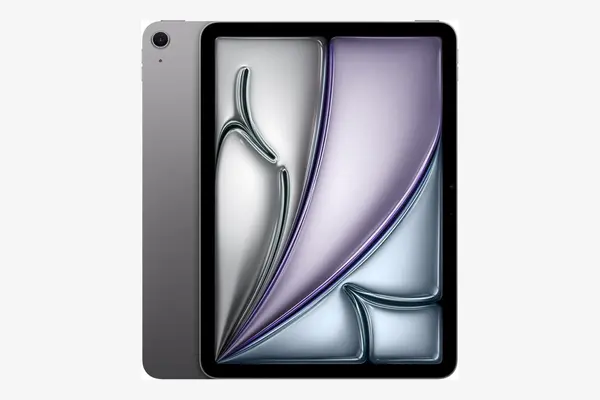
Apple iPad Air (M4)
around 599 to 799 dollars as of May 2026, 11-inch from $599 and 13-inch from $799 (Wi-Fi)
The iPad Air is the tablet to recommend to almost anyone, because it sits exactly where the value curve bends. The M4 chip gives it laptop-grade performance with years of headroom, it comes in 11-inch and 13-inch sizes, and it supports the Apple Pencil Pro and Magic Keyboard, so it scales from a couch streamer to a light laptop. The one tradeoff you should hear out loud is the screen: it is a 60Hz Liquid Retina LCD, not the 120Hz ProMotion OLED of the iPad Pro, so scrolling is a touch less fluid and blacks are less inky. For the money, that is the right corner to cut, but creative pros will notice it.
For spending the least
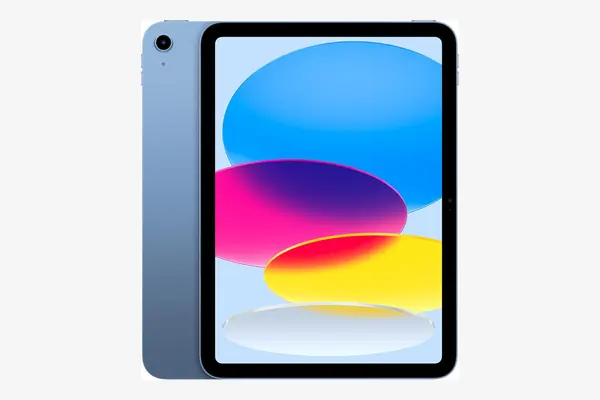
Apple iPad (A16)
around 349 to 449 dollars as of May 2026, 128GB at $349, more for higher storage
The base iPad is the easy answer for a first tablet, a kid's tablet, or a sofa device for browsing and streaming. At $349 it covers the essentials well: a sharp 11-inch Liquid Retina display, the still-quick A16 chip, USB-C, and all-day battery. The cuts are real but sit out of the way for casual use. It runs a 60Hz screen, works only with the cheaper USB-C Apple Pencil rather than the Pencil Pro, and the A16 is not built for Apple Intelligence, so the on-device AI features are off the table. If your tablet life is video, web, and the occasional note, none of that matters. If you want it to grow into a work machine, look up the ladder.
For creative pros and power users
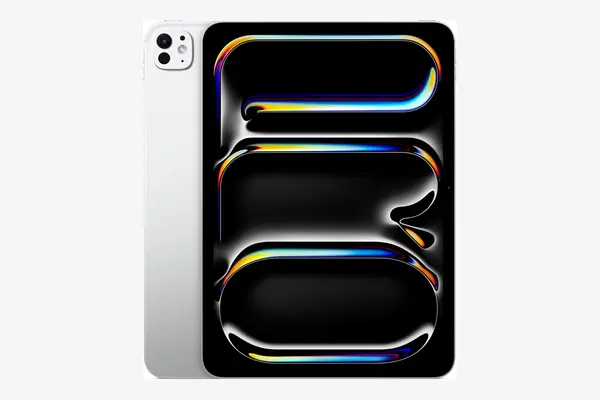
Apple iPad Pro (M5)
around 999 to 1,299 dollars as of May 2026, 11-inch from $999 and 13-inch from $1,299 (Wi-Fi)
The iPad Pro is the one to buy only if you have a reason to, and if you do, nothing else here keeps up. It is the single tablet in this guide with a tandem OLED ProMotion display, a 120Hz panel with deep blacks and up to 1600 nits in HDR, and the M5 chip is genuine laptop power for video editing, illustration, and demanding apps. Face ID, four-speaker audio, and a thinner body add to the case for creative work. The tradeoff is money and math: by the time you add the $129 Apple Pencil Pro and a Magic Keyboard, you are well past the price of a capable laptop, and iPadOS still draws lines a laptop does not. Buy it for the screen and the chip, not as a MacBook substitute.
For Android, big screens, and pen notes
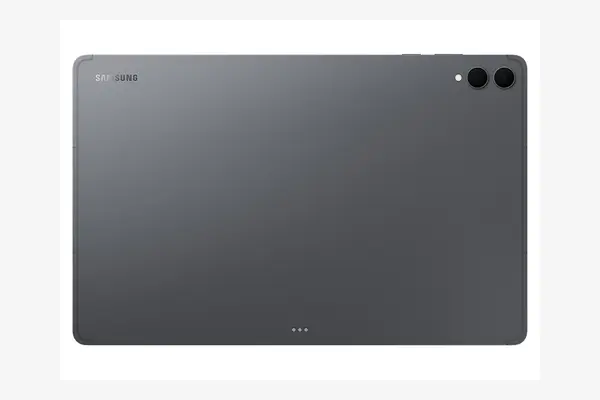
Samsung Galaxy Tab S11 Ultra
around 1,299 dollars as of May 2026 for 12GB / 256GB, more for higher storage
The Tab S11 Ultra is the pick for anyone who wants the largest, brightest Android canvas and writes by hand. Its 14.6-inch Dynamic AMOLED 2X display is the biggest screen here, the redesigned S Pen is included in the box, and the 11,600mAh battery is rated up to 23 hours of video. Samsung also commits to seven years of updates, the longest support on this list, and DeX gives it a desktop-style mode for multitasking. The honest tradeoff is the chip-to-price ratio: at $1,299 it runs a MediaTek Dimensity platform that is strong but not flagship-Snapdragon fast, so you are paying Ultra money partly for the screen and the pen rather than raw silicon. For drawing and note-heavy work on Android, the size and included S Pen still make the case.
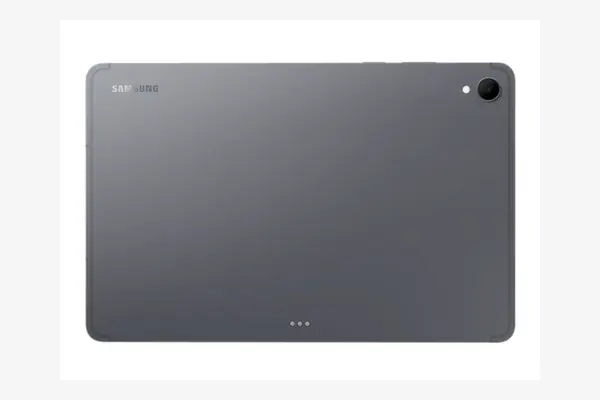
Samsung Galaxy Tab S11
around 799 dollars as of May 2026 for the 11-inch Wi-Fi model
The standard Tab S11 is the Ultra's sensible sibling, and for most Android buyers it is the smarter purchase. It keeps the things that define the line: the S Pen in the box, an AMOLED screen, the seven-year update promise, and the same Dimensity 9400-class chip as its bigger sibling. You step down to an 11-inch screen and a smaller 8,400mAh battery, which is the whole tradeoff, since you are not paying for the 14.6-inch glass you may not need. At $799 it lands right next to the iPad Air, so the real decision is ecosystem and the included pen rather than price. For Android note-takers who do not want a tablet the size of a cutting board, this is the one.
For value in Android
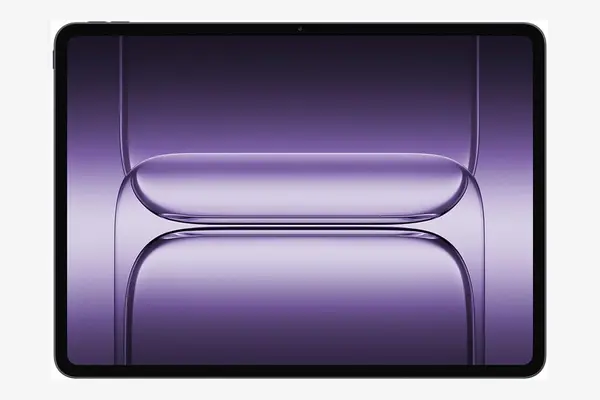
OnePlus Pad 3
around 699 to 700 dollars as of May 2026 for 12GB / 256GB, confirm current price at checkout
The OnePlus Pad 3 is the value play, a tablet that undercuts the big-screen Samsung and Apple picks while out-specifying them on paper. For around $699 it brings a 13.2-inch 3.4K LCD with a 144Hz refresh rate, the flagship Snapdragon 8 Elite chip, a huge 12,140mAh battery with 80W charging, and an eight-speaker system, in a 5.97mm aluminum body. On raw hardware per dollar, nothing else here is close. The tradeoff is the part you keep longer than the spec sheet: OnePlus promises only three major Android versions and six years of security patches, the shortest OS runway in this guide, and the pen and keyboard are paid extras at roughly $100 and $200. The screen is also LCD rather than the OLED on the Samsung tablets. For the money and the day-one experience, it is the standout.
Specs side by side
| Tablet | Price (Wi-Fi) | Screen | Chip | Pen included? |
|---|---|---|---|---|
| Apple iPad Air (M4) | $599 / $799 | 60Hz LCD, 11 / 13 in | Apple M4 | No, Pencil Pro $129 |
| Apple iPad (A16) | $349 | 60Hz LCD, 11 in | Apple A16 | No, USB-C Pencil extra |
| Apple iPad Pro (M5) | $999 / $1,299 | OLED 120Hz, 11 / 13 in | Apple M5 | No, Pencil Pro $129 |
| Galaxy Tab S11 Ultra | $1,299 | AMOLED, 14.6 in | Dimensity 9400-class | Yes, S Pen in box |
| Galaxy Tab S11 | $799 | AMOLED, 11 in | Dimensity 9400-class | Yes, S Pen in box |
| OnePlus Pad 3 | ~$699 | 144Hz LCD, 13.2 in | Snapdragon 8 Elite | No, Stylo 2 ~$100 |
Frequently asked questions
For most people it is the Apple iPad Air (M4) from $599, because it pairs a fast, long-lived M4 chip with full Apple Pencil Pro and Magic Keyboard support at a price well below the Pro. If you only want the basics, the iPad (A16) at $349 is the value floor, and if you are a creative professional, the iPad Pro (M5) is the only tablet here with an OLED 120Hz screen and laptop-class power. On Android, the Galaxy Tab S11 at $799 includes the S Pen, and the OnePlus Pad 3 from around $699 is the value pick.
Only if you have a specific reason. The iPad Pro (M5) adds a tandem OLED ProMotion screen, a 120Hz panel with deep blacks and up to 1600 nits in HDR, plus a faster M5 chip and Face ID. That matters for illustration, photo and video work, and HDR viewing. But it starts at $999 versus $599 for the Air, and both take the same $129 Apple Pencil Pro and Magic Keyboard, so the Pro carries a $400-plus premium for the screen and chip headroom. For browsing, notes, streaming, and light work, the Air's 60Hz LCD is plenty and the money is better kept.
It depends on your platform. On Android, the Samsung Galaxy Tab S11 Ultra is the standout, because its 14.6-inch AMOLED is the largest canvas here and the redesigned S Pen is included in the box rather than sold separately. The smaller Galaxy Tab S11 at $799 includes the same pen on an 11-inch screen for less. On Apple, the iPad Pro (M5) pairs the Apple Pencil Pro with the only OLED 120Hz screen for the smoothest inking, though the pen is a $129 add-on. The iPad Air supports the same Pencil Pro for less money if you do not need the OLED panel.
Usually, and on Apple the extra is significant. Apple sells the Apple Pencil Pro at $129 and the Magic Keyboard for iPad Air at $269, so turning a $599 iPad Air into a notebook-and-canvas pushes it close to $1,000. Samsung is the exception on the pen, since the S Pen is included with every Galaxy Tab S11, leaving only the keyboard as a paid add-on. OnePlus sells its Stylo 2 pen at roughly $100 and Smart Keyboard near $200, both separately. Budget for the accessories you actually need before you compare sticker prices.
Pick by who you are, not by the spec sheet. If you are most people, the iPad Air (M4) from $599 is the safe center. If you want to spend the least, the iPad (A16) at $349 does the basics well. If you are a creative pro, the iPad Pro (M5) earns its OLED screen and M5 chip. On Android, choose the Galaxy Tab S11 Ultra for the biggest pen-friendly canvas, the Galaxy Tab S11 at $799 for the same pen on a smaller screen, or the OnePlus Pad 3 from around $699 if value matters most, as long as the shorter OS support does not. Just add the pen and keyboard to the price before you decide.