


A wireless earbud lives or dies on its seal. The cancelling chip handles the low, steady drone of an engine or an office vent, but the rubber or foam tip is what blocks the higher tones the chip cannot touch, and a tip that does not fit your ear canal undoes everything else. So the order of these six is set by how well each pair cancels and isolates in the ear, then by sound, then by how the buds and case actually hold up across a day. Prices below are US street ranges as of May 2026; confirm the current figure before you buy, because earbuds move on sale more than almost any other gadget.
Overall, the Sony WF-1000XM6 is the most complete pair: the deepest cancelling here, LDAC for higher-resolution streaming, and reliable multipoint. For iPhone owners the AirPods Pro 3 is the easy call, with the best transparency mode and tight Apple integration. If raw quiet and comfort are your only axes, the Bose QuietComfort Ultra Earbuds still seal out the most. Android-first listeners get the fullest feature set from the Samsung Galaxy Buds 4 Pro. On a budget, the Nothing Ear (3) at roughly $179 and the Anker Soundcore Liberty 5 near $130 cover the core job for far less.
How we scored, and what fit decides
The scores weigh four things: how much steady noise the cancelling and seal remove together, how the buds sound at moderate volume, how securely they fit for a commute or a workout, and rated battery from a single charge plus the total the case carries. We lean on the figures each brand publishes, backed by RTINGS and SoundGuys bench testing wherever those numbers exist, rather than a quiet-room demo, because cancelling that wows in a showroom often gives way on a real flight or an open-plan floor.
Two practical points matter more than the spec sheet suggests. First, the headline case figure is total listening time, not what you get per charge, so an earbud rated for 24 hours with the case may only run six to eight before it returns to the case. Second, every cancelling claim assumes a perfect seal, and your ears may not match the stock tips, so try the bundled sizes and consider third-party foam if a pair feels loose. A firm seal does more for blocking a nearby voice than any processor upgrade. For TrueAction, the seal in your ears settles the ranking long before the chip in the spec sheet does.
The flagship tier
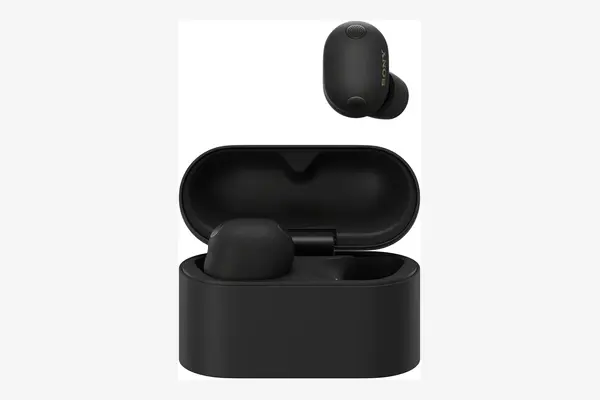
Sony WF-1000XM6
Around $298 to $330 as of May 2026; launched at $329.99 and already discounting
Sony's flagship buds, out since February 2026, lead this group on cancelling thanks to a new QN3e processor Sony rates as three times faster than the XM5's, and the slimmer, better-vented shape seals more comfortably than the bulky XM5 did. They carry the things audiophiles ask for, LDAC for higher-resolution streaming up to 990kbps, reliable multipoint, and 8.4mm drivers tuned warm but adjustable. Rated around 8 hours per charge with cancelling on and 24 hours total with the case. The catch is an IPX4 rating that trails the IP57 buds here for dust, and a price that sits above most rivals at list.
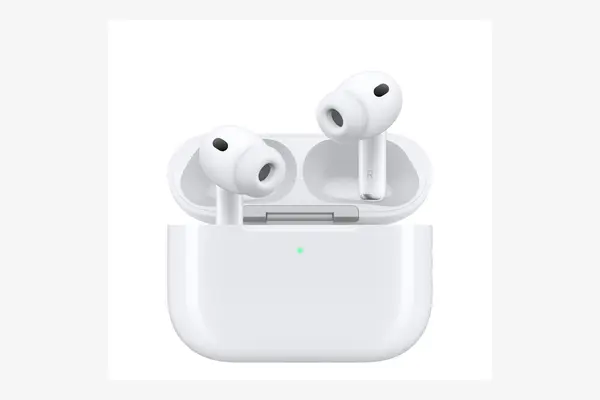
Apple AirPods Pro 3
Around $229 to $249; Apple's list price is $249 with frequent dips below
Released in September 2025, the AirPods Pro 3 are the obvious pick inside Apple's world: instant switching across your devices, head-tracked spatial audio, and the most natural transparency mode of any earbud here, where the H2 chip pipes the outside in with latency so low your brain does not catch the delay. Apple says cancelling removes roughly twice the noise of the AirPods Pro 2, and lab testing puts the average loudness reduction near 90 percent. A revised fit adds an IP57 rating and heart-rate sensing for workouts. The hard limit is codecs: it is AAC only, with no LDAC or aptX, so Android listeners give up high-resolution audio. Battery is rated around 8 hours per charge with cancelling on and 24 hours total.
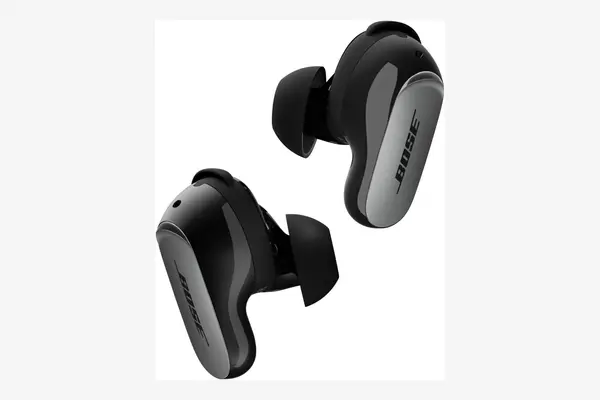
Bose QuietComfort Ultra Earbuds (2nd Gen)
Around $249 to $299; list is $299 with sale pricing near $249 in mid-2026
If silencing the world and staying comfortable for hours are your only priorities, Bose still seals out the most raw noise, and the CustomTune calibration plus the stability-band tips make these the easiest to forget you are wearing. The second generation adds a wireless charging case, aptX Adaptive for 24-bit streaming from compatible phones, and Bluetooth multipoint. Two catches keep it out of the top spot: per-charge battery is the shortest here at about 6 hours, dropping to roughly 4 with the spatial Immersive Audio mode switched on, and the IPX4 rating is sweat-resistant rather than dust-proof.
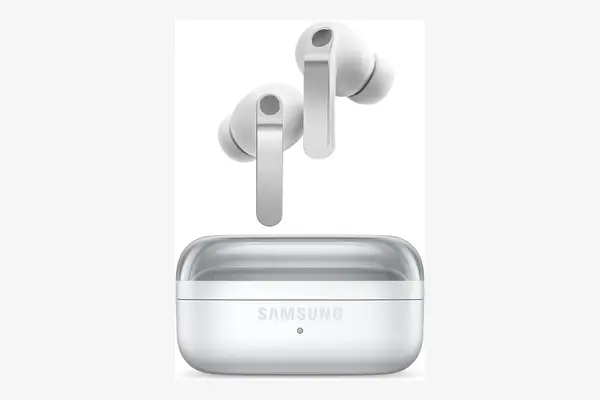
Samsung Galaxy Buds 4 Pro
Around $230 to $249; launched February 2026 at $249 with street pricing near $230
The Galaxy Buds 4 Pro are the most feature-complete pick for an Android phone, and the natural partner to a Galaxy handset for things like live translation and seamless switching. The two-way driver, an 11mm woofer paired with a 5.5mm planar tweeter, gives them the most separated, detailed sound of the cheaper flagships, and Adaptive ANC 2.0 lands close to Apple and just behind Sony for isolation. They are also the toughest here, rated IP57 for dust and a brief dunk, with around 7 hours per charge and 30 hours total. The tradeoff is that the headline features lean heavily on Samsung's own ecosystem, so an iPhone owner leaves a lot of the value on the table.
The value tier
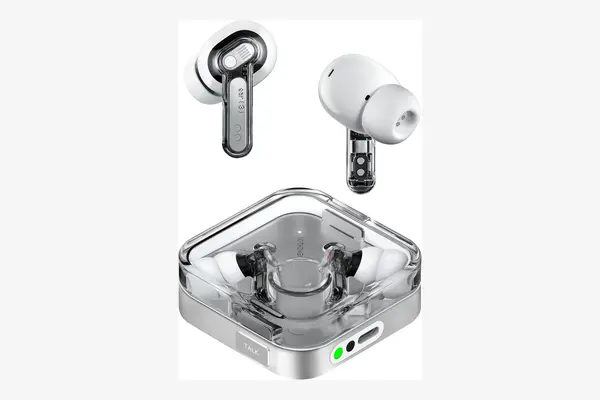
Nothing Ear (3)
Around $159 to $179; launched September 2025 at $179
The Nothing Ear (3) is the value standout, and it does not sound like a budget pair. The 12mm dynamic drivers are big for the class, the tuning is lively without turning harsh, and it carries both LDAC and LHDC for higher-resolution streaming that the pricier AirPods Pro 3 cannot match. Cancelling is rated up to 45dB and lands a clear step behind Sony and Bose against the worst drone, but it handles a commute. The recycled-aluminum case houses a dual-mic Super Mic for calls, and the buds and case are IP54 rated. At about 5.5 hours per charge with cancelling on and 22 hours total, battery is the only place it trails the flagships meaningfully.
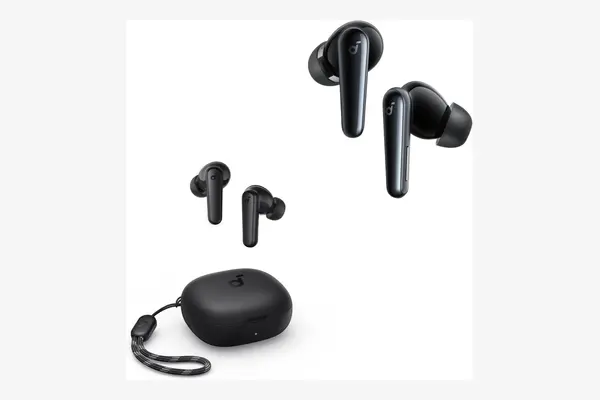
Anker Soundcore Liberty 5
Around $100 to $130; launched May 2025 near $130 and often on sale
The Liberty 5 is the endurance and price play. It runs about 8 hours per charge with cancelling on and 32 hours total, the longest in this group, and adds Dolby Audio, LDAC, and a six-mic call setup that outclasses most buds at this money. Adaptive ANC 3.0 adjusts every fraction of a second, though independent testing puts the real-world loudness reduction near 76 percent, below the flagships and noticeably softer against low-frequency rumble. Sound is balanced and tunable rather than refined. For a noisy commute or the gym on a tight budget, it does the core job for roughly a third of a flagship's price.
You do not need $250 for cancelling that works on a train. The Anker Soundcore Liberty 5 near $130 and the Nothing Ear (3) near $179 both seal well, carry LDAC for higher-resolution streaming, and run a full day with the case. What you give up against the flagships is the last layer of isolation, the most natural transparency mode, and the deeper ecosystem features, not a usable pair of earbuds.
Compared on the numbers
| Earbuds | Cancelling | Battery (buds / total, ANC on) | Top codec | Water rating | Price (May 2026) |
|---|---|---|---|---|---|
| Sony WF-1000XM6 | Class-leading | ~8h / 24h | LDAC | IPX4 | ~$298-330 |
| AirPods Pro 3 | Excellent | ~8h / 24h | AAC | IP57 | ~$229-249 |
| Bose QC Ultra Earbuds | Best-in-class | ~6h / 24h | aptX Adaptive | IPX4 | ~$249-299 |
| Samsung Galaxy Buds 4 Pro | Very strong | ~7h / 30h | SSC Hi-Fi | IP57 | ~$230-249 |
| Nothing Ear (3) | Up to 45dB | ~5.5h / 22h | LDAC, LHDC | IP54 | ~$159-179 |
| Anker Soundcore Liberty 5 | Good | ~8h / 32h | LDAC | IPX4 | ~$100-130 |
Frequently asked questions
The Sony WF-1000XM6 for most people. It pairs the deepest cancelling in this group with LDAC for higher-resolution streaming and dependable multipoint, at a street price around $298 to $330. If you carry an iPhone, the AirPods Pro 3 is the easier call for its transparency mode and Apple integration, and the Bose QuietComfort Ultra Earbuds still seal out the most raw noise if comfort and quiet are your only priorities.
They function, but you lose most of what justifies the price. The AirPods Pro 3 support only the AAC codec, with no LDAC or aptX, so an Android phone gets no higher-resolution audio, and features like instant device switching, head-tracked spatial audio, and heart-rate sensing are tied to Apple devices. For Android, the Samsung Galaxy Buds 4 Pro or the LDAC-equipped Nothing Ear (3) are far better matches.
Genuinely good cancelling and sound start around $130, with the Anker Soundcore Liberty 5, and the Nothing Ear (3) near $179 adds bigger drivers and LDAC plus LHDC streaming. The flagship tier of roughly $230 to $330 buys the last bit of isolation, the most natural transparency mode, sturdier IP57 builds, and ecosystem features, rather than a completely different class of listening.
The big figure makers advertise, 24 to 32 hours here, is total listening time, the buds plus all the recharges the case can deliver, not what you get from one charge. Per charge with cancelling on you should plan for roughly 5.5 to 8 hours depending on the pair, then a quick top-up in the case. If you take long flights without an outlet, favor the higher per-charge buds like the Sony, Apple, or Anker picks.